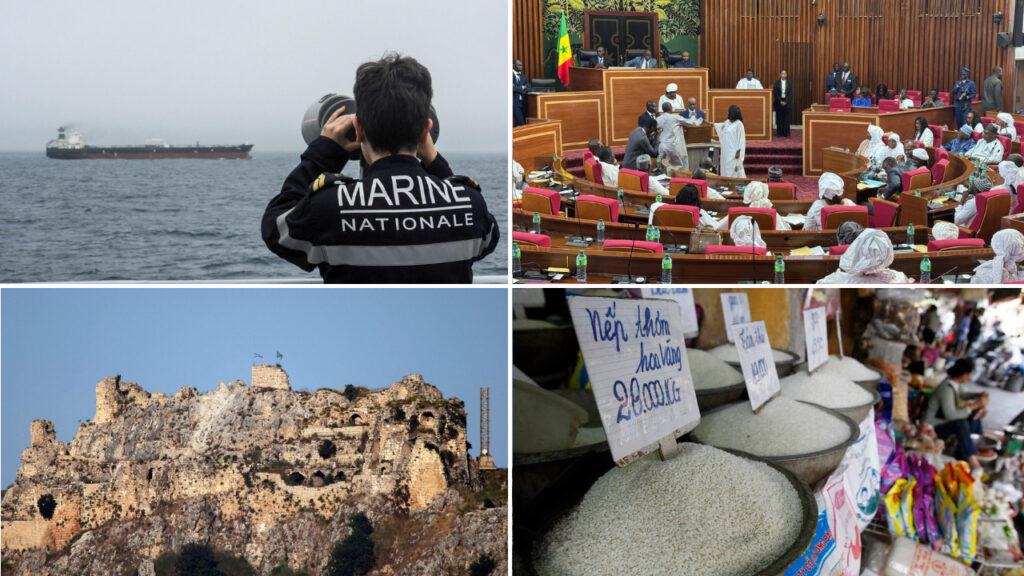
The newly appointed Prime Minister of Senegal, Ahmadou Al Aminou Mohamed Lô, announced his 30-minister cabinet on Monday evening. Notably absent, however, are prominent figures from the Pastef party or those closely aligned with former Prime Minister Ousmane Sonko. The party, which holds a majority in the National Assembly, cited fundamental disagreements as the reason for its refusal to participate. But what specific issues are driving this divide? And why do five Pastef members remain in the government despite the party’s stance? Could these ministers face sanctions or even expulsion?
Understanding the Pastef’s decision
Senegal’s political landscape has been marked by significant tensions in recent months. The Pastef party, led by Ousmane Sonko, has been a vocal advocate for sweeping reforms and greater accountability in government. The refusal to join the new administration suggests deep-seated conflicts over policy direction, governance priorities, or perhaps even the legitimacy of the government’s formation process. While the party has not detailed the exact nature of these disagreements, analysts suggest they may revolve around issues such as economic policy, anti-corruption measures, or the handling of political dissent.
The inclusion of five Pastef members in the cabinet, despite the party’s refusal to participate, raises further questions. Are these individuals acting independently, or does their presence signal a potential rift within the party? The answers could have significant implications for Senegal’s political stability and the future of the Pastef movement.
Potential consequences for Pastef ministers
Political parties in Senegal often enforce strict discipline, and deviations from the party line can lead to severe repercussions. Ministers who choose to remain in the government despite the party’s refusal to participate may face internal sanctions, ranging from temporary suspension to permanent expulsion. The party’s leadership could also launch an investigation into their actions, further straining the political landscape.
For the Pastef, this standoff represents a critical moment in its evolution. The party’s decision to stay out of government could either strengthen its opposition role or isolate it further in the political arena. Meanwhile, the five ministers now find themselves at the center of a high-stakes dilemma: loyalty to the party or commitment to their ministerial duties.