Senegal political crisis deepens as constitutional reform blocked
July 10, 2026Constitutional council strikes down reform bill
The Senegalese Constitutional Council has delivered a decisive blow to the ruling Pastef party’s institutional reform agenda. In a ruling handed down yesterday, the Council declared the proposed amendments unconstitutional, citing two critical irregularities.
The rejected bill, which aimed to rebalance institutional powers, contained provisions for establishing a new Constitutional Court. However, the Council found that the reform lacked proper funding mechanisms for this new institution, violating constitutional requirements. Additionally, the ruling highlighted procedural violations during parliamentary debates on government amendments.
The President of the Republic, Bassirou Diomaye Faye, had personally referred the matter to the Council, triggering this constitutional review.
Political reactions unfold
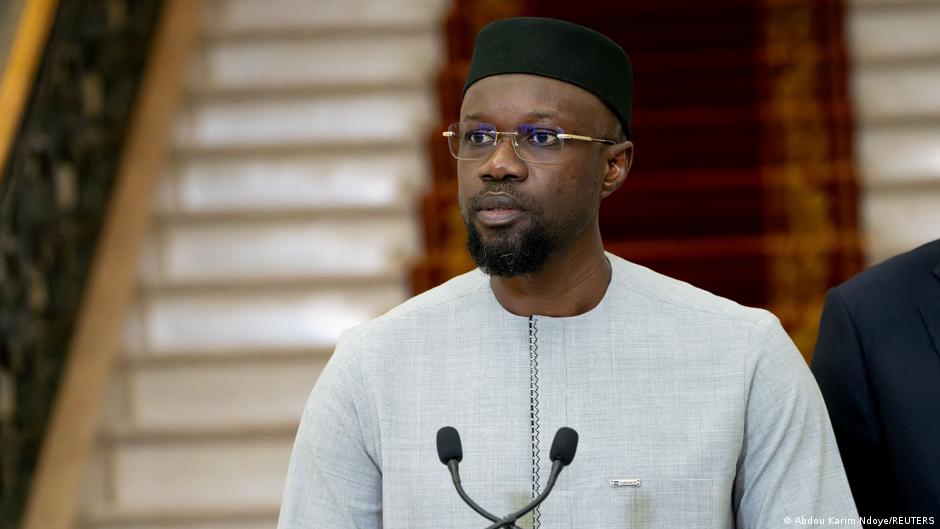
The decision has sent shockwaves through Senegal’s political landscape. Ousmane Sonko, leader of the Pastef party, publicly acknowledged the Council’s ruling through official channels. Meanwhile, the presidential coalition emphasized the importance of institutional stability and continuing dialogue on reform matters.
Dr. Binette Ndiaye, coordinator of the Citizen Forum, praised the Council’s decision as a necessary check on executive power: “This ruling demonstrates that even with a parliamentary majority, constitutional principles must be respected. A true republic requires inclusive processes and respect for institutional balance.”
Former MP Adji Diarra Mergane Kanouté, leader of the USD/A party and president of the Ensemble Demain coalition, offered a nuanced analysis: “While the Council has rejected this particular bill, it doesn’t close the door on future reform initiatives. Any new proposal must include proper funding mechanisms as required by Article 82, Section 2 of the Constitution. The Council also identified violations of parliamentary procedure during the amendment process, which could not be overlooked.”
Power dynamics shift in Dakar
The constitutional setback comes at a critical juncture in Senegalese politics. Ousmane Sonko, who was removed from the Prime Minister’s office in May, had since secured the National Assembly presidency. However, his relationship with President Bassirou Diomaye Faye has deteriorated visibly.
Sonko recently characterized the current political climate as a “cohabitation” between the executive and legislative branches. Political observers now see the reform rejection as another chapter in the escalating power struggle between these two key figures in Senegalese governance.
With the constitutional council firmly asserting its role as guardian of the republic’s fundamental law, the political future of Senegal’s highest institutions now hangs in the balance. The coming months promise continued tension as both sides reassess their strategies in this unprecedented institutional confrontation.