PoliticsSenegal
Senegal’s constitutional council rejects pastef reforms, weakening sonko
July 10, 2026The Senegalese Constitutional Council has struck down the institutional reform bill pushed by the ruling Pastef party, dealing a major blow to Ousmane Sonko’s political agenda. The decision, announced yesterday, invalidated the reform on constitutional grounds, effectively halting the government’s plans to restructure key state institutions.
According to the Council’s ruling, two critical flaws undermined the reform’s legitimacy. First, the proposal lacked a clear funding mechanism for the new constitutional court it sought to establish. Second, it violated parliamentary procedures during the adoption of government amendments, particularly regarding the blocked voting process.
President Bassirou Diomaye Faye personally referred the reform to the Constitutional Council for review, a move seen as an attempt to resolve the escalating dispute between the executive and legislative branches. The decision has intensified concerns about the stability of Senegal’s political landscape.
Reactions and implications
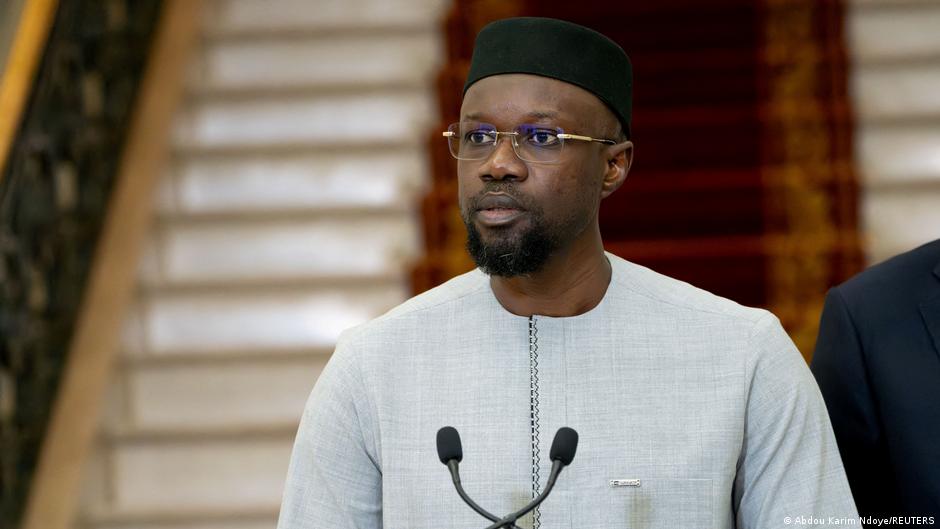
Ousmane Sonko, who was recently removed from the premiership but still holds significant influence as Assembly president, acknowledged the ruling in a public statement. While the coalition government framed the decision as a sign of institutional strength, critics argue it exposes deep divisions within the ruling coalition.
Adji Diarra Mergane Kanouté, former MP and leader of the USD/A party, emphasized that the ruling does not close the door on future reforms—provided they comply with constitutional requirements. She pointed out that any new legislative initiative must include provisions for public funding and respect parliamentary rules, particularly regarding budgetary impacts.
“The Council’s decision sends a clear signal: even with a parliamentary majority, constitutional procedures cannot be bypassed. The lack of inclusivity in drafting this law undermined its legitimacy from the start,” she stated.
A political turning point
The conflict surrounding the reform law reflects broader tensions between President Faye and Ousmane Sonko, who publicly described their relationship as one of “cohabitation.” Observers warn that the constitutional impasse could further destabilize the government and reshape Senegal’s political future.
Civil society figures, including Dr. Binette Ndiaye of the Citizen Forum, praised the ruling as a necessary safeguard for democratic governance. “It’s a reminder that power must be exercised within constitutional boundaries, regardless of political strength,” she remarked.
The decision also affects other proposed changes, including expanded parliamentary investigative powers over natural resource contracts—a provision that would have significantly increased legislative oversight. While debated, such measures now face greater scrutiny in light of the Council’s ruling.
The political fallout is expected to intensify as both sides assess their next moves. With Sonko’s influence waning and Faye consolidating control, the coming weeks could redefine the balance of power in Senegal.