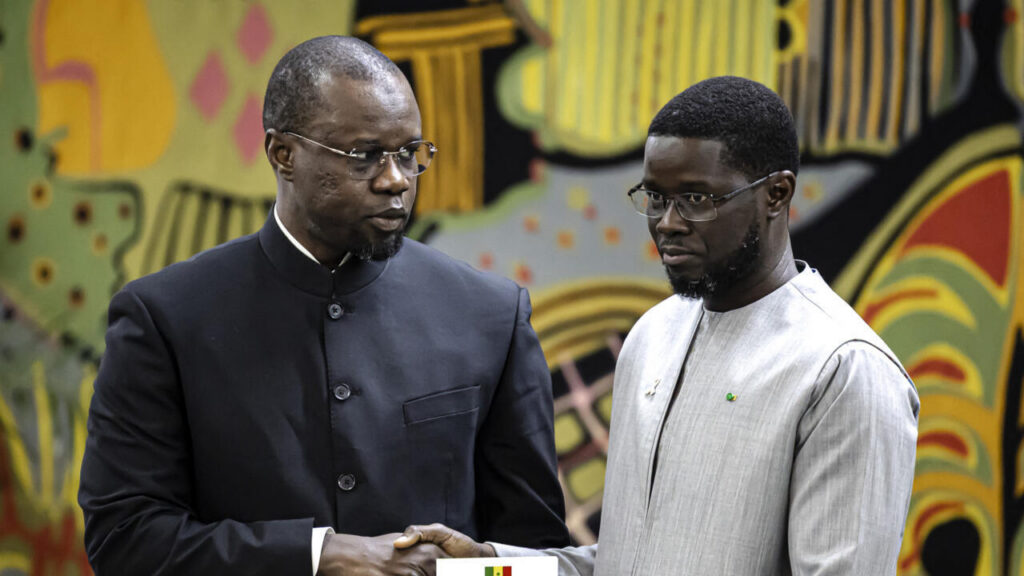
Senegal’s political shifts and global tensions in focus
At a pivotal moment in its political trajectory, Senegal faces critical decisions that could reshape its future. The recent formation of a new presidential party and the constitutional reform overturned by the Constitutional Council have set the stage for intense debate. Will President Bassirou Diomaye Faye’s strategy succeed in uniting public opinion and bridging divides with the opposition?
Meanwhile, the Middle East continues to simmer with unresolved tensions. Recent escalations and retaliatory strikes have pushed the region to the brink once again. With Donald Trump declaring the ceasefire “over” and dismissing negotiations with Tehran as a “waste of time,” the specter of further military action looms large. Is a new phase of conflict inevitable?
This week, African journalists and analysts dissect these pressing issues, examining their implications for Senegal and the broader continent. Their insights provide clarity on the challenges ahead and the potential consequences for West Africa’s political and economic landscape.
Voices shaping the conversation
- Wuldath Mama, Beninese journalist and international affairs specialist
- Eric Topona, Chadian journalist with Deutsche Welle’s Francophone Africa desk
- François Hiondi Nkam, veteran reporter and Economy Editor at Cameroon’s *Le Jour* newspaper
The discussion also touches on Senegal’s preparations for the 2026 FIFA World Cup, exploring how the nation’s evolving political and social dynamics could impact its role as a host.