
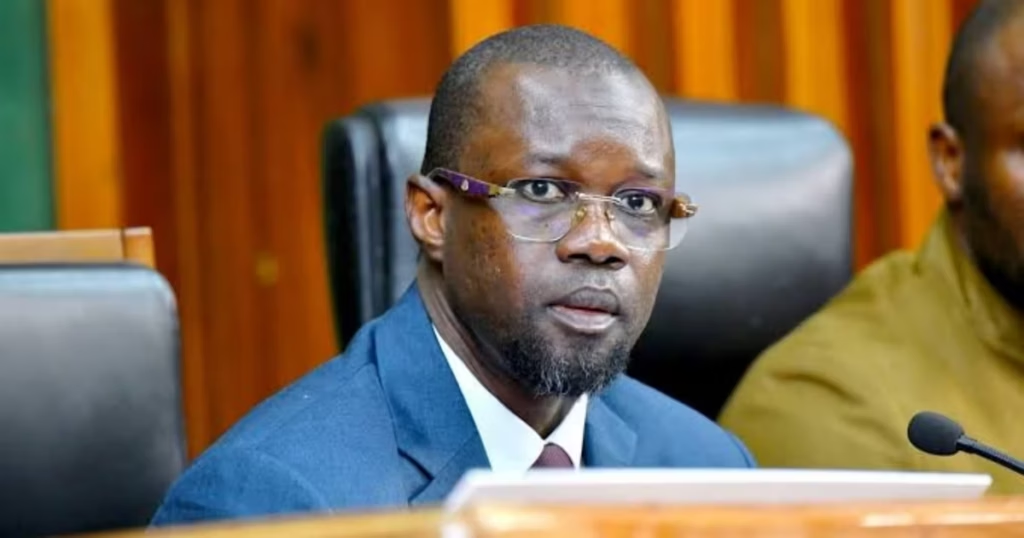
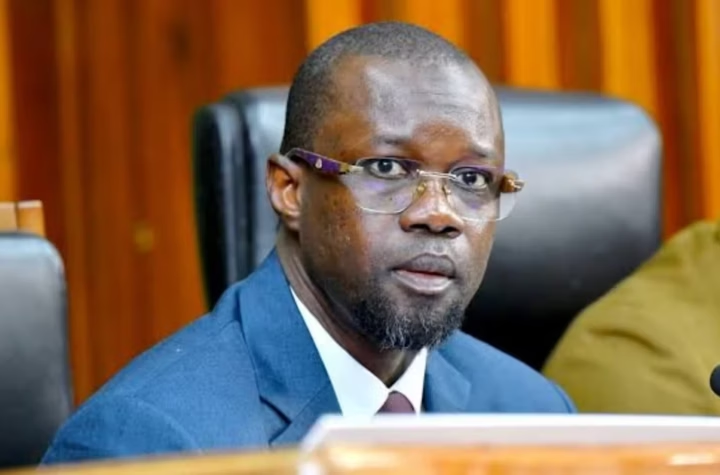
The political arena in Senegal remains locked in a bitter exchange of claims and counterclaims between opposing factions. This time, the spotlight turns to Ousmane Sonko and his handling of political funds during his tenure as Prime Minister.
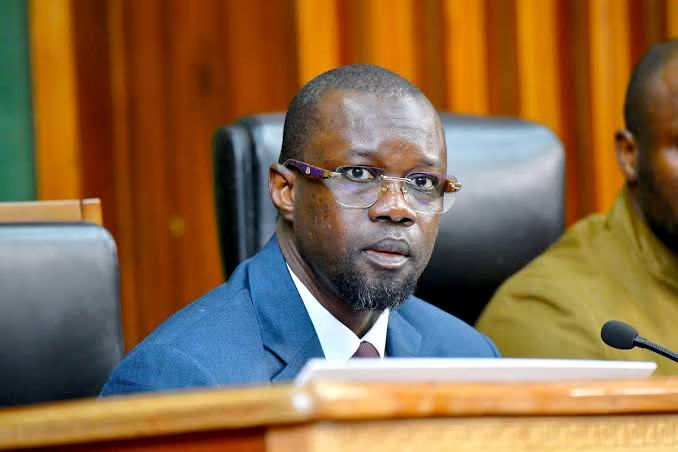
The latest twist in the political saga
Abdourahmane Diouf, Senegal‘s Minister of Petroleum and Energy, recently made headlines with explosive claims about the use of political funds under Sonko‘s leadership at the Prime Minister’s office. Speaking on a popular television program hosted by Migui Marième Ndiaye, he disclosed details of a 1.77 billion CFA franc allocation that raised eyebrows across the nation.
According to Diouf, Ousmane Sonko reportedly requested additional funds after depleting the initial allocation. However, critical questions remain unanswered: Was the request granted? And more importantly, where did this sensitive information originate? Traditionally, only two figures would have access to such confidential details—the President of the Republic and the Minister of Budget.
A political chessboard in motion
The timing of these revelations could not be more significant. With Senegal‘s political landscape already tense, this new development adds another layer of complexity to an already volatile situation. The ongoing rivalry between opposing factions shows no signs of abating, with each side presenting its version of events. The absence of a neutral arbiter to mediate these disputes has only fueled further speculation and accusations.
Diouf’s statements have intensified the debate, leaving citizens and political analysts alike questioning the transparency and accountability of those in power. The mystery surrounding the origin of these claims only deepens the intrigue, as the veracity of such sensitive information remains in doubt.
What’s next for Senegal’s political scene?
As the dust settles on this latest revelation, one thing is clear: Senegal’s political future hangs in the balance. The unfolding drama raises serious concerns about governance, fiscal responsibility, and the ethical conduct of public officials. With the nation watching closely, the coming days and weeks will be pivotal in determining whether these claims lead to greater accountability or further entrench existing divisions.
More Stories
Togo challenges ECOWAS court ruling on 2024 constitutional reform
Niger: deadly drone strike disrupts funeral in Tillabéri village
Mali trump considers military strikes against jihadist group jnim