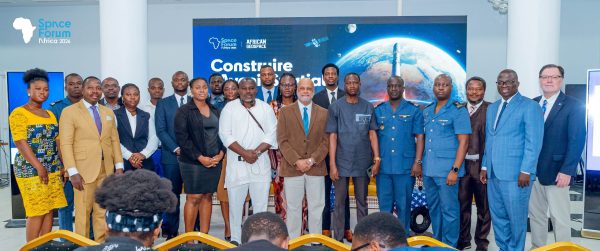
In Lomé, Space Forum Africa 2026 shifted perspectives. From July 28 to 30, policymakers, researchers, investors, and innovators convened to explore a groundbreaking idea: space technologies are no longer confined to observation—they now fuel productivity, disaster resilience, communication, and market expansion across Africa.
For decades, Africa’s space ambitions were framed as distant goals—launching satellites, funding scientific programs, and training talent. But in Lomé, the conversation evolved. The focus wasn’t on whether Africa could reach space, but on how space could reach Africa’s most pressing needs.
ADVERTISING
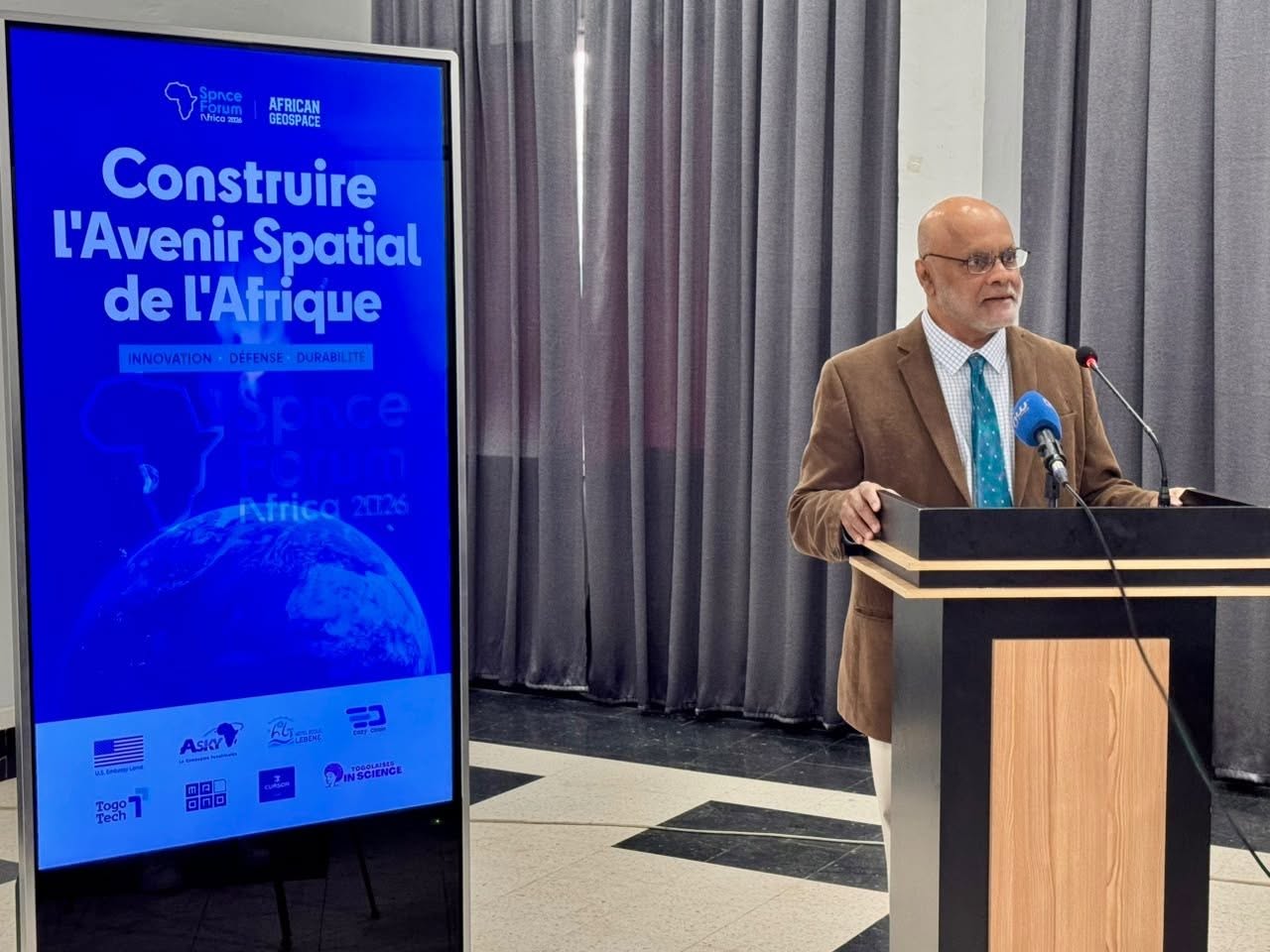
The U.S. Embassy in Lomé played a pivotal role in supporting Space Forum Africa 2026, bringing together stakeholders from across the continent’s space sector. Their shared mission? Turning space science into actionable solutions for Africa’s development challenges.
From satellites to fields: harnessing orbital data for ground-level decisions
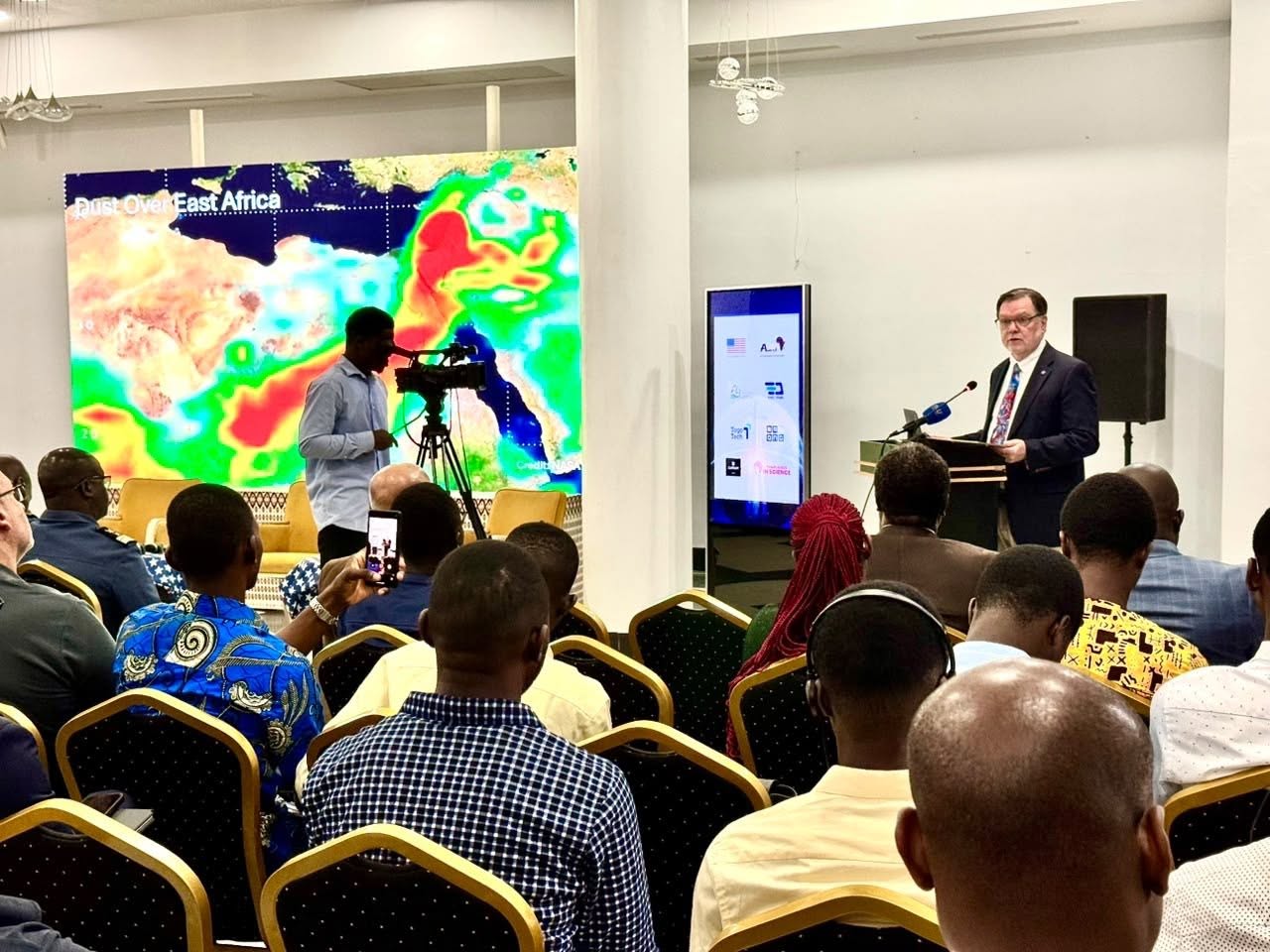
One of the forum’s key takeaways was this: the value of space technologies lies not in their orbit, but in their applications on the ground. Satellite data now underpins critical sectors like agriculture, climate monitoring, disaster prevention, and communications—offering African economies a powerful tool for smarter decision-making.
For nations grappling with climate change, data gaps, and forecasting limitations, these technologies provide a lifeline. Meanwhile, African tech startups stand to gain a competitive edge by leveraging spatial data to develop high-value local solutions.
This shift marks a turning point: space is no longer a distant frontier, but an invisible infrastructure driving economic and social progress.
Jim Adams and the U.S. expertise shaping Africa’s space future
To ground these discussions in real-world experience, the U.S. Embassy invited Jim Adams, a NASA veteran with over 40 years in space exploration and satellite technology, as a keynote speaker. His insights highlighted how space capabilities are already transforming key industries—from precision agriculture to climate resilience—while raising a critical economic question: who will lead the development of tomorrow’s technologies, and who will benefit from their value?
Building bridges: fostering U.S.-Africa partnerships in space innovation
The growth of Africa’s space economy hinges not only on infrastructure and talent, but on strategic collaborations. The forum fostered connections between African innovators, institutions, and U.S. companies specializing in space technologies—bridging ecosystems to accelerate development.
This isn’t just about scientific cooperation; it’s about commercial diplomacy, investment, knowledge transfer, and market creation. For African entrepreneurs, the challenge is no longer passive adoption of foreign tech—it’s seizing the opportunity to lead innovation. For international partners, it’s tapping into Africa’s untapped potential, from local expertise to unmet market demands.
Space as an invisible backbone for economic resilience
A satellite monitors crop health in real time. A climate dataset predicts droughts months in advance. A communication satellite connects remote villages to essential services. Space technologies, once seen as abstract, are now tangible drivers of progress—turning orbital assets into tools for survival and growth.
Space Forum Africa 2026 redefined the narrative: space is no longer a symbol of distant achievement, but a silent architect of Africa’s future. By reframing space from a scientific marvel to an economic catalyst, Lomé showcased how orbital data can reshape industries, communities, and nations.
Washington and Lomé: expanding the circle of peaceful space innovation
By backing Space Forum Africa 2026, the U.S. Embassy reinforced a commitment to peaceful, responsible space use—aligned with Washington’s 250-year legacy of innovation. Yet beyond symbolism, the real impact lies in deepening ties between African and American innovators.
The next frontier for Africa’s space sector may not be rocket launches, but the ability to convert satellite data into viable businesses, research into marketable products, and cooperation into sustainable growth. In Lomé, the message was clear: the sky is no longer the limit—it’s the starting point.



More Stories
Free digital skill training in Togo 2026
Atlanta e-sinistre la nouvelle plateforme digitale d’Atlanta Assurance Côte d’Ivoire
Niger advances digital cooperation at Bamako’s SENUMA 2026