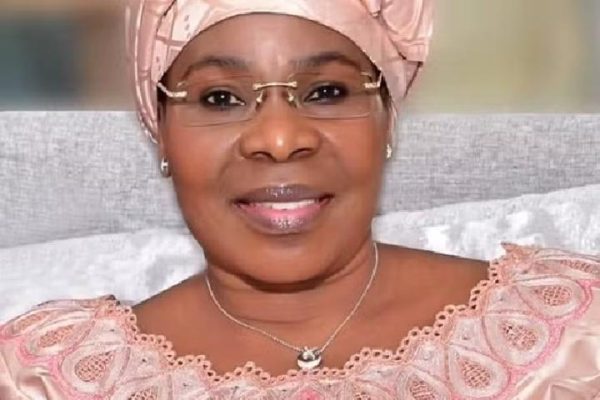
Since July 27, 2026, a former Togolese defense minister has refused all food in protest against the harsh conditions of her imprisonment. Eleven months after her arrest for criticizing the governance of President Faure Gnassingbé, she now stands as a powerful symbol for the sixty political detainees still held without trial in Togo.
On August 30, 2025, as protests erupted across Lomé over rising living costs and a constitutional reform that shifted Togo from a presidential to a parliamentary system, Essozimna Marguerite Gnakadé took to the streets. The first woman to serve as Togo’s defense minister between 2020 and 2022, she was quickly identified by security forces and briefly sent home. Weeks later, on September 17, 2025, she was arrested for publicly questioning President Gnassingbé’s leadership.
From political insider to voice of detained dissidents
Marguerite Gnakadé’s background set her apart long before her imprisonment. Appointed defense minister in October 2020 without prior military experience, she was also the widow of Ernest Gnassingbé, the late brother of the president. Despite her ties to the ruling elite, her decision to join the protest movement rather than oppose it ultimately led to her detention.
The hunger strike she began on July 27 is not an act of despair, but a final plea for justice. “We do not hunger strike out of desperation, but conviction. When the courts remain silent, our bodies become the last voice of resistance.” These were the words of a collective statement issued by political detainees in November 2025.
Systematic repression fuels desperate resistance
Her protest is not an isolated case. Over the past year, hunger strikes have become one of the few tools available to Togolese political prisoners to demand better treatment. In November 2025, thirty-seven detainees launched a collective fast. By December, activists Grace Koumayi and binational Abdoul Aziz Goma had endured fifty days without food at Lomé’s central prison, forcing authorities to address their demands. Human rights groups continue to call for immediate medical access for all hunger strikers.
Former officials behind bars: divergent fates
Marguerite Gnakadé’s case is often mentioned alongside those of Kpatcha Gnassingbé and General Félix Kadanga, two other former officials linked to Togo’s ruling circle. However, their situations differ significantly. Kpatcha Gnassingbé, half-brother of the president and former defense minister, spent sixteen years in prison after a coup attempt conviction before being released in late December 2025 under a presidential pardon. General Kadanga, former army chief of staff, has been serving a twenty-year sentence since 2023 for complicity in a colonel’s assassination. To date, Gnakadé remains the only one imprisoned solely for expressing political dissent.
Constitutional shift sparks ongoing unrest
Since March 2024, when a new constitution transformed Togo from a presidential to a parliamentary system, President Gnassingbé has ruled as head of government with no term limits. Opposition groups have labeled the reform a “constitutional coup,” fueling the 2025 youth-led protests. The government responded with a heavy crackdown, leading to mass arrests that created the majority of today’s political detainees. A presidential pardon in late December 2025 released 1,511 prisoners, a gesture welcomed as a step toward reconciliation. Civil society groups, however, estimate that around seventy detainees remain behind bars on political grounds.
Human rights groups demand immediate action
Organizations such as the movement “Hands Off My Constitution” and opposition parties continue to advocate for the release of all political detainees. They report that at least nine prisoners have died in custody since the crackdown began, while others bear lasting injuries from mistreatment. Their demands include the unconditional release of all political prisoners and urgent medical care for hunger strikers like Marguerite Gnakadé, whose health has deteriorated after eleven months in detention.


More Stories
Can Ousmane Sonko and Sadio Mané’s Bambali agro park truly transform Sédhiou?
Senegal’s palm oil gambit: can 60,000 hectares and Indonesian expertise finally end import reliance?
Can Burkina Faso’s military buildup succeed while its people keep fleeing?