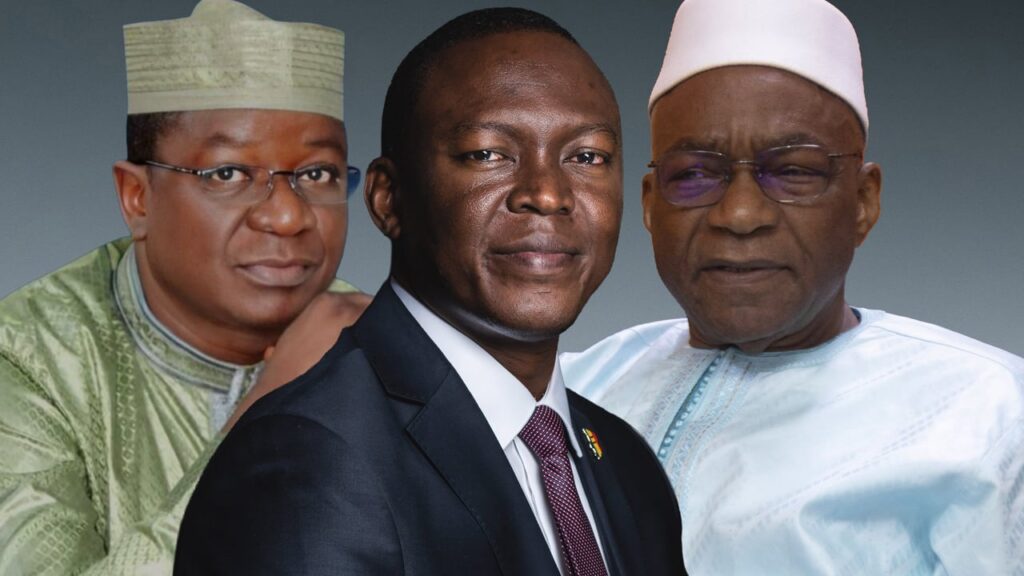

Challenges facing Chad’s political opposition
Under the leadership of Mahamat Idriss Déby Itno, Chad’s opposition faces mounting difficulties in asserting its influence. Since the transitional government took power, political dissent has encountered increasing obstacles, from legal restrictions to targeted repression. Opposition figures report a climate of growing pressure, where public dissent is met with swift and decisive responses from authorities.
Legal hurdles and institutional constraints
Recent legislative changes have tightened the framework within which opposition parties operate. New laws governing public gatherings and media freedom have placed additional burdens on political opponents, limiting their ability to organize or voice criticism. Critics argue these measures are designed to stifle opposition voices rather than foster democratic debate.
The opposition’s ability to challenge the transitional leadership has been further constrained by institutional barriers. Key positions within the judiciary and security forces remain under the influence of figures aligned with the ruling structure, making it difficult for dissenting voices to gain traction in formal political processes.
Fragmentation within opposition ranks
Internal divisions have weakened the opposition’s cohesion. High-profile figures such as Saleh Kebzabo, Succès Masra, and Albert Pahimi Padacké have at times found themselves at odds over strategy and priorities. While some advocate for dialogue with the transitional government, others push for more confrontational approaches, creating a fragmented landscape that authorities have exploited to their advantage.
This lack of unity has raised questions about the opposition’s long-term viability. Without a unified front, it struggles to present a coherent alternative to the current leadership, leaving many citizens disillusioned with the political process.
Public sentiment and political fatigue
Chadian citizens express growing frustration with the political stalemate. Many feel the transitional government has failed to deliver on promises of reform and stability, while opposition leaders appear unable to offer a compelling alternative. The resulting disillusionment has led to apathy in some quarters and heightened tensions in others.
In this environment, public protests have become increasingly rare, not due to acceptance of the status quo, but out of fear of repression. The opposition’s inability to mobilize large-scale demonstrations underscores the challenges it faces in mobilizing support and challenging the status quo.
Looking ahead: a path to reinvigoration?
Despite the challenges, pockets of resilience remain within Chad’s opposition. Grassroots movements and civil society organizations continue to advocate for democratic freedoms, though their efforts are often met with resistance. Whether these efforts can coalesce into a more effective force remains uncertain.
The coming months will be critical in determining whether the opposition can overcome its internal divisions and the institutional constraints imposed by the transitional government. For now, Chad’s political landscape remains dominated by Mahamat Idriss Déby Itno’s leadership, with the opposition struggling to carve out a meaningful role.
More Stories
Senegal’s local elections: will Bassirou Diomaye Faye’s secrecy backfire?
Can Alain-Georges Moukoko’s green justice background redefine Libreville’s prosecutor’s office?
Can Baudelaire Ndong Ella turn Gabon’s Washington embassy into an economic and security lever?