
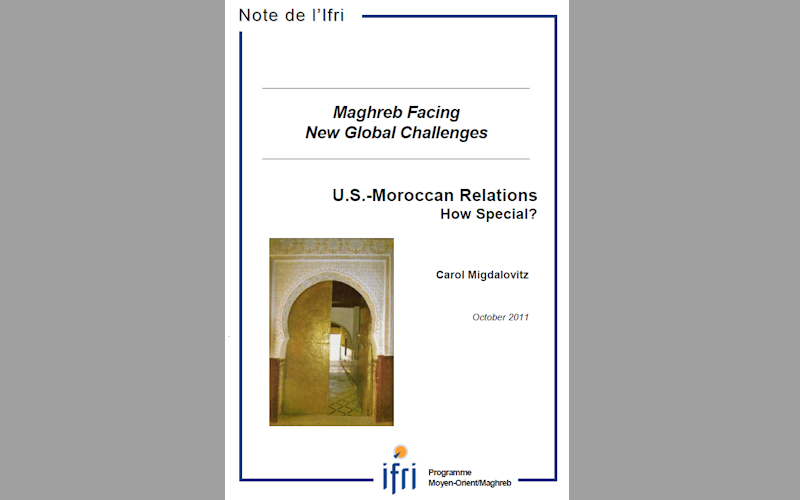
Often described as a “special relationship,” the alliance between Washington and Rabat stands as one of the most enduring and unique in American diplomacy. Tracing its trajectory from unwavering historical foundations to pragmatic adjustments during the Cold War, we delve into this intricate bilateral journey, consistently marked by a quest for equilibrium.
On June 23, 1786, Morocco earned the distinction of being the first nation to officially recognize the independence of the United States. This recognition was formalized through a Treaty of Peace and Friendship, a foundational document that remains in effect today. Born from Washington’s strategic need to safeguard its merchant fleet from Mediterranean piracy, this treaty established a bond that both capitals frequently characterize as “special.” Yet, beneath this diplomatic rhetoric lies a more nuanced reality: an alliance meticulously shaped by strategic imperatives and geopolitical shifts.
World War II: a pivotal shift
While the ties between the two nations are ancient, it was the Second World War that truly solidified their rapprochement. In 1942, Operation Torch, spearheaded by Allied forces under General Dwight D. Eisenhower, saw approximately 35,000 American troops land on Moroccan shores.
Beyond its military significance, this period proved pivotal for Sultan Mohammed V. During the Casablanca Conference in 1943, President Franklin D. Roosevelt reportedly assured the Sultan of American backing for the restoration of Moroccan sovereignty post-war. This pledge significantly bolstered American prestige among Moroccans, despite considerably displeasing General de Gaulle.
Cold War dynamics: air bases and pragmatism
Following Morocco’s independence in 1956, the relationship had to adapt to the new realities of the Cold War. Washington identified Morocco as an indispensable strategic foothold, subsequently establishing air bases for its Strategic Air Command (SAC). These bases were crucial for projecting American nuclear deterrent capabilities towards the Soviet bloc.
However, King Mohammed V’s strong desire for national sovereignty soon led to friction. Morocco’s priority was the departure of foreign troops, while American strategists worried Rabat might align with the Non-Aligned Movement. This diplomatic standoff culminated in 1963 with the complete withdrawal of American forces from Moroccan soil, honoring previous commitments.
Regional stability and political maneuvering
The stability of the Moroccan regime has consistently been a central concern for the United States. During the attempted coups against King Hassan II in 1971 and 1972, Washington reacted with apprehension, fearing the loss of a moderate ally in a volatile region. Despite the King’s fleeting suspicions of potential American involvement—fueled by the use of American fighter jets by the plotters—the relationship endured.
Over the decades, Morocco has honed a distinctive expertise in navigating the intricate American political system. It skillfully transformed its security requirements into enhanced collaboration. From military assistance concerning the Western Sahara to the developmental initiatives of the Peace Corps, the relationship has gracefully evolved into a form of reciprocal “soft power.”
Navigating future challenges
Today, as the regional landscape has transformed with the upheavals of the “Arab Spring,” the future of this special relationship is once again under scrutiny. Washington must carefully balance maintaining a historically strategic alliance with supporting the political aspirations of local populations.
As Middle East specialist Carol Migdalovitz points out, the challenges ahead are considerable. How the United States addresses these complex issues, while simultaneously safeguarding its historical bond with Morocco, will be crucial in shaping the character of this relationship going forward.

More Stories
Burkina Faso: the digital battleground for independent journalism
United states Morocco: dissecting a decades-long alliance
Senegal pioneers green bond for food security and energy transition