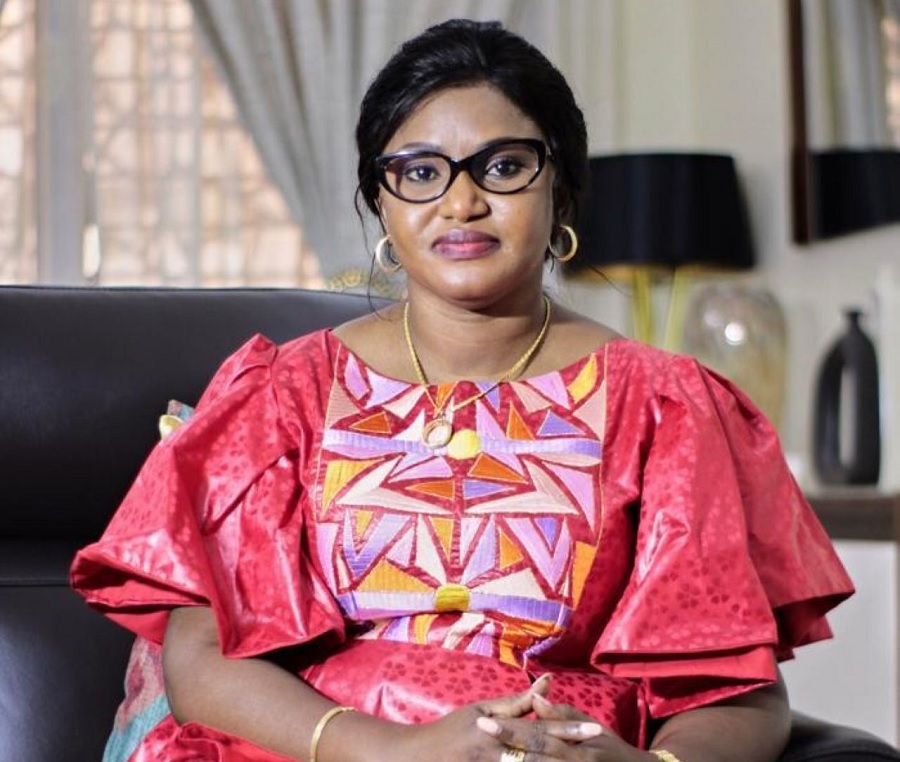
The 31st of July marks Africa Women’s Day, a date chosen for its historical significance in celebrating the struggles and achievements of African women. This year, the African Union has dedicated 2026 to water access and sanitation, emphasizing sustainable solutions to meet the objectives of Agenda 2063. Yet, beneath these global initiatives lies a stark reality: the backbone of Senegal’s economy is built by women who remain invisible in both statistics and policy.
Invisible Foundations: The Women Behind Senegal’s Economy
Senegal’s progress depends on women whose contributions are systematically overlooked. Many are internal migrants, domestic workers, street vendors, or market traders. Their labor fuels households, businesses, and the informal economy—yet their rights to water, sanitation, and dignity remain unsecured. The country’s informal sector, employing nearly half the workforce, is dominated by women (51.3% nationally), yet in Dakar, they face even greater precarity, with only 41.5% of informal workers being women and most lacking contracts or social protections.
These women often begin their journeys within Senegal’s borders, leaving rural areas for cities like Dakar in search of work. The daily struggle for water is a primary driver: in rural regions, women and girls spend hours collecting water, limiting education and economic opportunities. This forces many to migrate, where they enter domestic service, street vending, or small-scale trade—jobs that are inherently tied to access to safe water and sanitation in their employers’ homes.
Senegal’s Dual Role: Host and Home to Migrant Women
Senegal is not only a source of internal migration but also a hub for African women fleeing conflict, economic hardship, or seeking better opportunities. According to the 2023 census, over 207,000 foreigners reside in Senegal, with 44.3% being women. The majority hail from neighboring countries like Guinea (40.3%), Mali (14.9%), and Guinea-Bissau (4.4%). In border regions like Kédougou, migrants from neighboring nations outnumber returning Senegalese residents.
However, this tradition of hospitality is under threat. Rising xenophobic rhetoric, particularly targeting Guinean Fulani communities, accuses migrants of straining public services and altering demographic balances. Political figures have called for stricter residency rules, including revoking birthright citizenship for children of foreigners born in Senegal. This rhetoric mirrors the cyclical xenophobic violence seen in South Africa, where Senegalese migrants have also faced persecution.
Doubly Vulnerable: Foreign Women in Senegal
Foreign women in Senegal face amplified vulnerabilities. Many work in domestic service or informal trade, often without contracts or legal protections. Their access to water and sanitation—critical for both their work and dignity—depends on the goodwill of employers or local communities. When xenophobia targets entire nationalities or ethnic groups, these women become primary targets for harassment, exploitation, or violence. Fear of retaliation silences them, deepening their precarity.
The 2025 rupture between ECOWAS and the AES alliance has further destabilized their already fragile status. Malian, Burkinabè, and Nigerien women workers now rely on political declarations rather than institutional protections under the 1979 ECOWAS Protocol. Without secure documentation, their right to stay in Senegal is contingent on bilateral agreements that can be revoked at any time. The Sahel’s ongoing security crises, including deadly attacks in Mali in early 2026, have also driven more Malian women to seek refuge in Senegal, adding urgency to their plight.
Colonial Borders and Modern Exclusions
To understand this moment, we must look beyond imported frameworks. The borders of modern Africa were drawn arbitrarily at the Berlin Conference of 1884–85, disregarding existing kinship, trade, and cultural networks. Postcolonial states, grappling with fragile legitimacy, have adopted policies of “autochthony,” defining who truly “belongs” to the nation at the expense of long-standing residents. This logic fuels intra-African xenophobia, reinforcing colonial divisions while masquerading as national cohesion.
Gender further complicates this narrative. Scholars like Oyèronké Oyèwùmí and Amina Mama have shown how colonialism reshaped gender categories, which postcolonial nationalists then weaponized to determine national belonging. Foreign women and their children become targets of these exclusionary policies, particularly when debates over birthright citizenship arise. Ignoring the intersections of migration, gender, and water access only perpetuates these injustices.
Water and Sanitation: The Invisible Border for Migrant Women
The AU’s 2026 theme is not merely technical—it is deeply gendered and tied to the realities of migrant women. In Dakar’s peripheral neighborhoods, where many migrants settle, access to clean water and sanitation is partial at best. Women and girls face heightened risks when using inadequate facilities, especially at night. For domestic workers living with employers, access to water and toilets depends entirely on their employer’s willingness to provide them—a precarious arrangement that mirrors the exploitation faced by Senegalese domestic workers abroad.
Ensuring sustainable water and sanitation access under Agenda 2063 will remain hollow if policies ignore the neighborhoods where migrant women live and work. A policy that fails to address the administrative barriers preventing women from accessing essential services will fail its most vulnerable populations.
A Hospitality That Must Go Both Ways
Africa Women’s Day and the AU’s 2026 agenda should not be reduced to symbolic gestures. They must serve as a call to action: Senegal’s economy—and the broader regional economy—cannot function without the labor of migrant women. Yet, without guaranteed access to safe water and sanitation for these women, both in their homes and workplaces, the promises of Agenda 2063 will ring hollow for those who need them most. Hospitality that stops at national borders or policies that overlook these women miss the same critical opportunity.


More Stories
Pilgrims face soaring transport costs ahead of touba’s grand magal
Cameroun: le mariage des familles, une coutume en question
Cameroon: paternity testing gains ground amidst changing societal norms