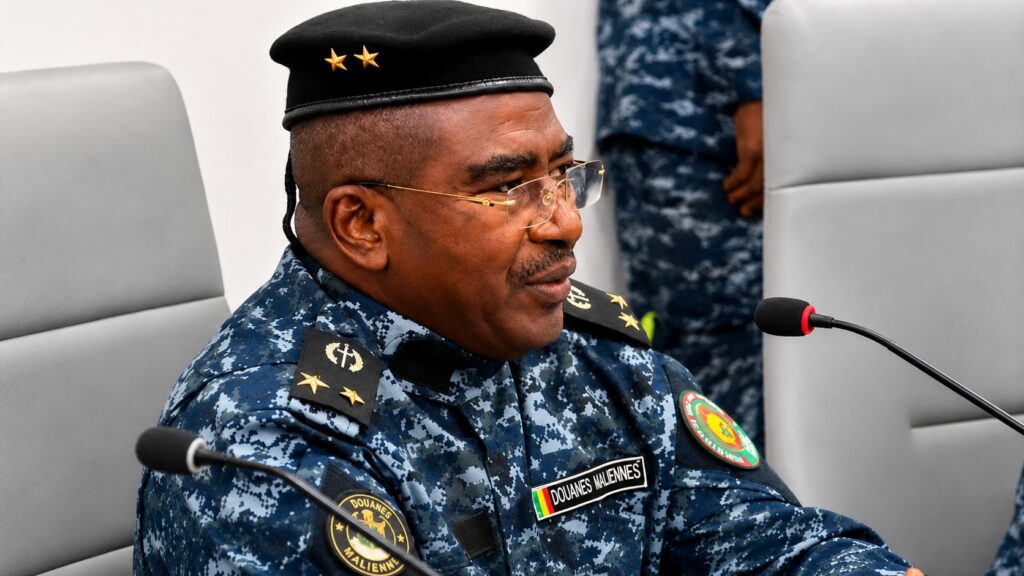
Behind the curtains: when Mali’s customs reshuffle raises eyebrows
In one of Mali’s most pivotal institutions, the Direction Générale des Douanes, even the slightest personnel shift can trigger a cascade of political and economic repercussions. A recent wave of appointments and transfers has sent ripples through the corridors of power, prompting both official statements and whispered speculations. Journalist and analyst Fousseyni Sissoko dives deep into this institutional upheaval, daring to ask the question on everyone’s mind: Is this a strategic overhaul or a subtle purge?
Through his meticulous examination, Sissoko refuses to settle for superficial interpretations of official decrees. Instead, he peels back the layers of this bureaucratic storm, exposing the tensions simmering beneath the surface.
The official narrative vs. hidden agendas: a tale of two interpretations
The government and customs leadership frame the reshuffle as a technical necessity. In a period of economic transition, with Mali under pressure to bolster domestic revenue, injecting fresh talent into critical border offices and regional directorates is painted as a performance-driven move. The stated goal? Sharpening the fight against tax fraud and reviving the efficiency of border checkpoints.
Yet Sissoko’s analysis compels readers to question the true motives behind these changes. In an institution where the control of trade flows—especially hydrocarbons and major logistics corridors—holds immense power, the line between restructuring and strategic repositioning is dangerously thin.
The specter of internal reckoning: loyalty over competence?
The crux of Sissoko’s investigation lies in the timing and profile of certain dismissals. Could this be a quiet purge, designed to sideline figures deemed too independent or tied to past power networks? In Mali’s current climate, the oversight of key administrations is not just a matter of governance—it’s a battleground for influence.
The article underscores an uncomfortable truth: in some cases, loyalty to the prevailing political narrative may outweigh technical expertise. The reshuffle isn’t just about efficiency; it’s a reminder that Mali’s customs service operates in the shadow of broader power struggles.
A customs service caught in the crossfire
Ultimately, Sissoko’s exposé serves as a vital reminder. The Douanes maliennes are more than a revenue-collecting machine—they’re a stage where political and economic rivalries play out daily. Whether framed as a necessary modernization or a politically motivated reshuffle, this episode lays bare the fragility of an institution constantly navigating the blurred lines between service and subservience.