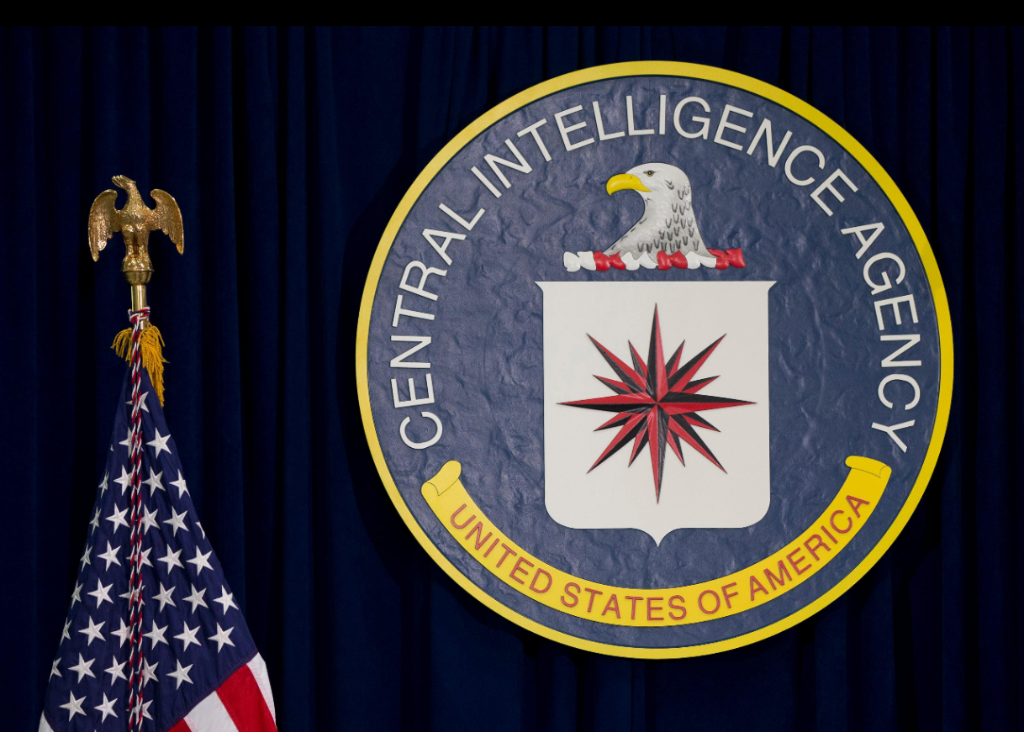
Major cyber incident shakes non-classified US intelligence infrastructure
The Central Intelligence Agency (CIA) and the Office of the Director of National Intelligence (ODNI) have become the latest victims of a sophisticated cyber intrusion, with unauthorized access detected in an unclassified OSINT (Open Source Intelligence) system. While classified networks remain unaffected, the breach has exposed critical vulnerabilities in America’s intelligence-gathering infrastructure. The incident, disclosed by multiple sources, highlights the real-world consequences of compromised open-source intelligence platforms, raising urgent questions about digital resilience in national security.
Understanding Open Source Intelligence and its critical role
OSINT is a cornerstone of modern intelligence operations, enabling agencies like the CIA to gather, analyze, and synthesize publicly available or commercially sourced information. This includes data from social media, satellite imagery, economic databases, and private sector intelligence platforms. Unlike classified intelligence obtained through covert operations, OSINT relies on accessible and often unprotected channels, making it a prime target for cyber threats.
Such systems are not just data repositories—they provide strategic insights into geopolitical developments, military activities, and foreign government strategies. The exposure of these tools can inadvertently reveal intelligence priorities, surveillance patterns, and analytical methodologies, even without accessing classified material. The breach underscores the delicate balance between connectivity and security in intelligence operations.
Unclassified systems, high-stakes consequences
Officials have emphasized that no classified networks were breached, and essential services remain operational. However, the lack of detailed technical disclosures leaves key questions unanswered: What data was accessed? How long were attackers present within the system? And most critically, what operational insights have been compromised?
Without full transparency, this breach sends a troubling signal to allies and adversaries alike. Intelligence gathered from open sources could inadvertently inform enemy strategies, including tracking American surveillance patterns or identifying gaps in information coverage. In essence, while the data itself may not be classified, its misuse could weaken national security by exposing blind spots in US intelligence collection.
The shadow of unknown attackers
As investigations continue, one question looms largest: Who orchestrated this attack? No official attribution has been made, and speculation ranges from cybercriminal gangs to state-sponsored actors. The ambiguity of the intrusion’s origins further complicates efforts to gauge its long-term impact on US intelligence operations.
Technical details of the breach remain undisclosed, leaving cybersecurity experts to piece together the possible attack vectors. The CIA has declined to comment publicly, further limiting public understanding of the incident’s scope. Meanwhile, lawmakers and security analysts are calling for stronger safeguards to prevent similar breaches in the future.
Cyber threats multiply across critical US institutions
This incident is not isolated. Recent months have seen cyber intrusions affecting multiple federal agencies, including the FBI’s criminal databases and the Department of Agriculture’s systems. Even the National Security Agency (NSA) faced a temporary disruption in its classified communication network, later attributed to an IT update rather than an attack. While no direct links have been established between these events, the pattern raises concerns about systemic vulnerabilities in America’s digital infrastructure.
The CIA-ODNI breach serves as a stark reminder that security extends beyond classified systems. Even non-classified tools, essential for day-to-day intelligence work, are prime targets for adversaries seeking to exploit operational weaknesses. As intelligence agencies grapple with this new reality, the challenge remains clear: how can systems be protected while maintaining the connectivity required for effective intelligence gathering?
What’s next for US intelligence and cybersecurity?
For now, the investigation is ongoing, with authorities focused on determining the true scale of the breach. The stakes are high, as even unclassified data can reveal strategic priorities and operational gaps if misused. This incident may well force a reassessment of how the US balances transparency with security in an era where open-source intelligence is indispensable.
The nation’s cyber defenses are now under scrutiny, and the outcomes of this breach could redefine the future of intelligence operations for years to come.