
us-Morocco ties: a bond forged in geopolitical strategy
From resolving the Sahara conflict to deepening military cooperation and Morocco’s admission to the Trump-initiated Peace Council, the relationship between Rabat and Washington has reached new heights. What are the driving forces behind this strengthened alliance?
a historical partnership under renewed momentum
The bond between the United States and Morocco has long stood as a cornerstone of regional stability. While ties date back decades, recent years have seen an unprecedented acceleration in collaboration, reshaping the geopolitical landscape of North Africa.
At the heart of this evolution lies a shared vision for security and economic prosperity. Both nations have leveraged their diplomatic channels to address pressing challenges, with Morocco positioning itself as a key mediator in regional disputes.
military cooperation takes center stage
Defense ties have become a linchpin of the alliance, with joint exercises and intelligence-sharing initiatives strengthening mutual trust. The Moroccan Armed Forces have benefited from advanced training programs and access to cutting-edge defense technologies, enhancing their operational capabilities.
This military synergy has not only bolstered Morocco’s security apparatus but also reinforced its role as a stabilizing force in the Maghreb and beyond.
diplomatic breakthroughs on the Sahara question
A defining moment in the partnership came with the resolution of the Western Sahara conflict. Through sustained diplomatic efforts, Morocco secured recognition of its autonomy plan as a viable solution, gaining support from Washington—a critical ally in international forums.
The United States’ endorsement of Rabat’s proposal marked a turning point, signaling a departure from decades of stalemate. This shift has opened new avenues for economic investment and infrastructure development in the region.
economic ties and strategic investments
Beyond security, the alliance has paved the way for robust economic collaboration. Trade between the two nations has flourished, with sectors like agriculture, energy, and tourism experiencing significant growth.
American companies have increasingly set their sights on Morocco as a gateway to African markets, capitalizing on its strategic location and business-friendly policies. Meanwhile, Moroccan enterprises have tapped into U.S. expertise, fostering innovation and job creation.
the peace council initiative
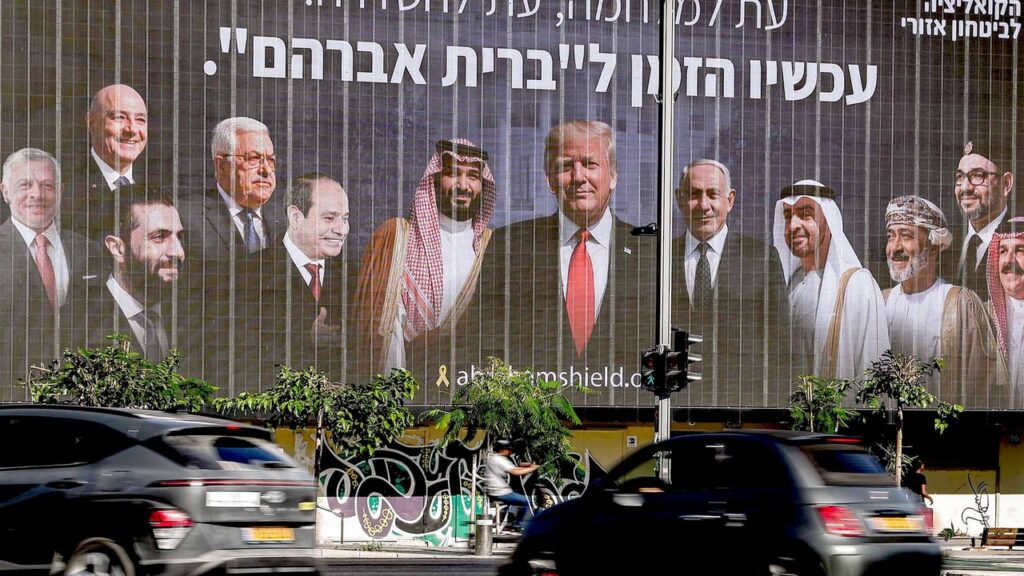
Morocco’s inclusion in the Peace Council, spearheaded by former U.S. leadership, underscores its growing influence on the global stage. This initiative aims to foster dialogue and conflict resolution across conflict zones, with Rabat playing a pivotal role in mediating disputes.
The partnership reflects a broader commitment to peace and stability, aligning with Morocco’s long-standing tradition of mediation in African and Middle Eastern affairs.
looking ahead: challenges and opportunities
While the alliance has flourished, challenges remain. Regional tensions and global economic shifts demand continuous adaptation. However, the strategic alignment between the two nations positions them well to navigate these complexities.
Future collaborations may explore green energy projects, cybersecurity partnerships, and deeper cultural exchanges, further solidifying their bond.
a model for international cooperation
The U.S.-Morocco relationship serves as a testament to the power of strategic partnerships in addressing global challenges. By combining diplomatic acumen with economic ambition, both nations have set a benchmark for international alliances in the 21st century.