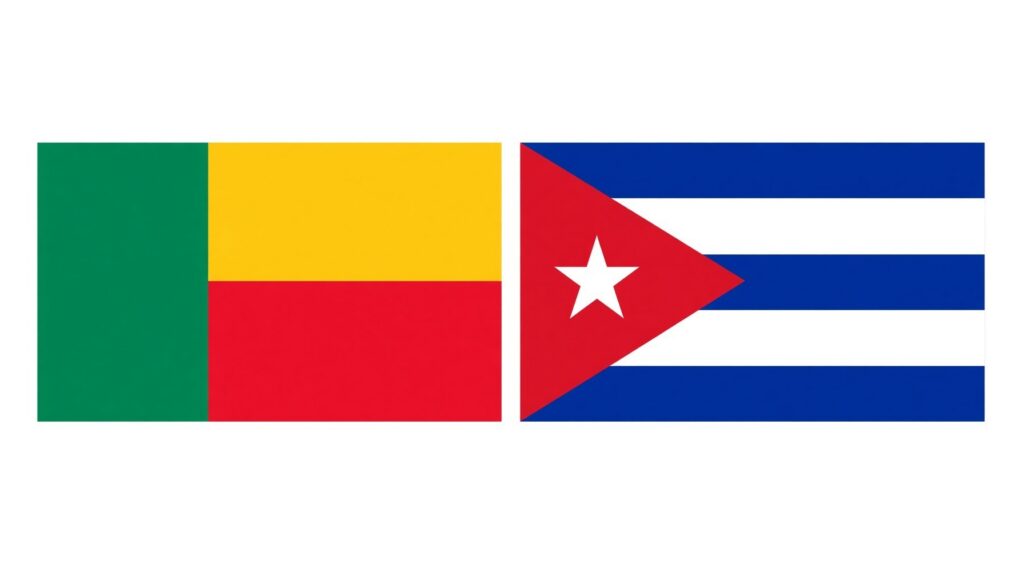
Can a renewed economic and diplomatic partnership between Benin and Cuba translate into concrete benefits for West African markets? That is the strategic question at the heart of a fresh push by Cotonou and Havana to breathe new life into their long-standing cooperation. During a diplomatic meeting held in Cotonou between Cuba’s ambassador, Denisse Amaro Salabarría, and leaders of the Benin Chamber of Commerce and Industry (CCI Benin), both nations reaffirmed their shared determination to actively reinvigorate economic and commercial exchanges. But the stakes are high: whether this historic relationship can evolve into a genuine growth engine for the region remains to be seen.
A partnership rooted in shared history and south-south solidarity
The ties between Benin and Cuba rest on decades of friendship, marked by deep cultural convergence and consistent South-South solidarity. Institutionally, this economic momentum builds on a framework agreement signed in 2002 between the two chambers of commerce. Now, as global conditions shift, Cotonou and Havana aim to modernise this bilateral axis and turn it into a tangible lever for growth.
Mutual sectoral opportunities on the table
During the discussions, Cuban diplomacy highlighted recent economic reforms adopted on the Caribbean island, opening the door to new opportunities for Beninese investors and entrepreneurs. Several priority sectors were identified for future partnerships:
- Agro-industry and food production
- Renewable energy
- Tourism and cultural engineering
- Biotechnology and the pharmaceutical industry, fields where Cuba has world-renowned expertise
To turn these ambitions into reality, Beninese companies were invited to take part in the Havana International Fair (FIHAV), a major commercial hub for the Caribbean region.
Benin as a strategic gateway to West Africa
For its part, the CCI Benin delegation underlined the country’s geostrategic position as an essential logistics and commercial platform in the West African sub-region. Highlighting the ongoing modernisation of the Autonomous Port of Cotonou, the Beninese side invited Cuban economic operators to use Benin as an entry point to West African markets.
This meeting marks the starting point of a roadmap focused on regular monitoring of commitments made, sealing the effective relaunch of a historic partnership turned toward the future. The real test now lies in whether these intentions will yield measurable results for businesses and citizens alike.




More Stories
Can a leader who seized power by force ever feel secure in Niger?
Togo: one year after Marguerite Gnakadé’s arrest, what does the Faure Gnassingbé method really cost?
Benin’s engineering turnaround: Sèmè City and URCA launch Africa’s first sustainable design master’s program