World Vision Tchad’s Ambitious 2030 Strategic Plan Unveiled
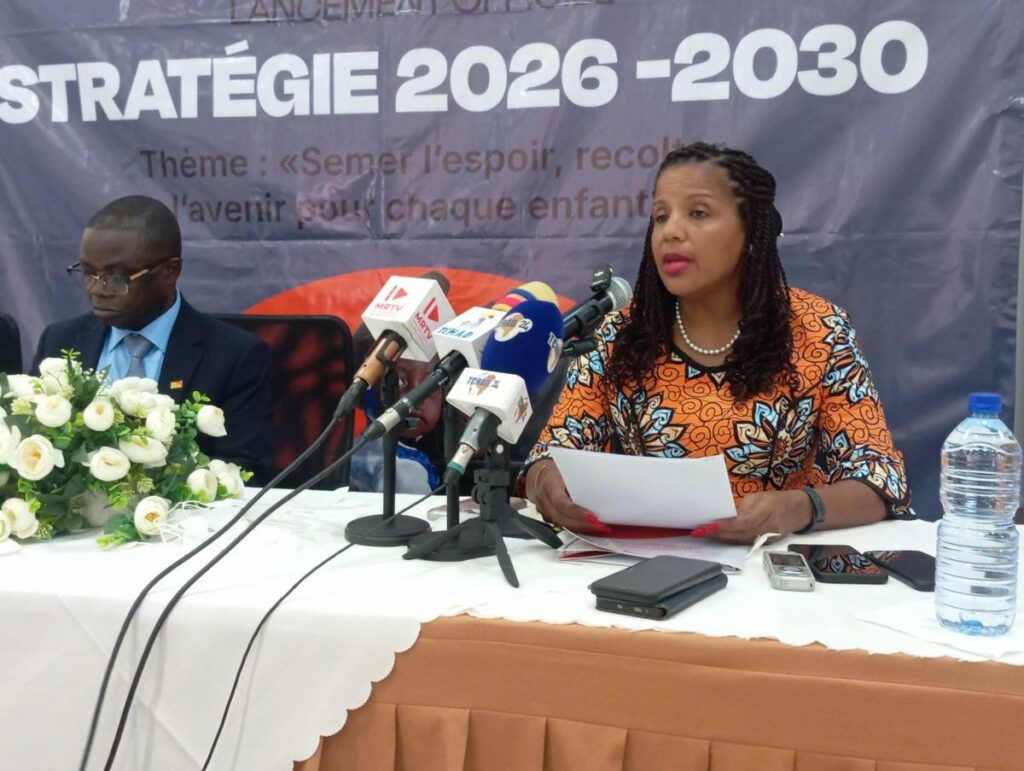
N’Djamena – World Vision Tchad has introduced its groundbreaking 2026-2030 national strategy in a high-profile press conference, marking a significant milestone in the organization’s commitment to transforming lives across the country. The initiative targets 3.29 million children by 2030, with a special focus on 3.09 million of the most vulnerable youth through enhanced interventions in health, nutrition, education, child protection, and climate resilience.
Revolutionary Approach Combines Humanitarian Aid, Sustainable Growth, and Peacebuilding
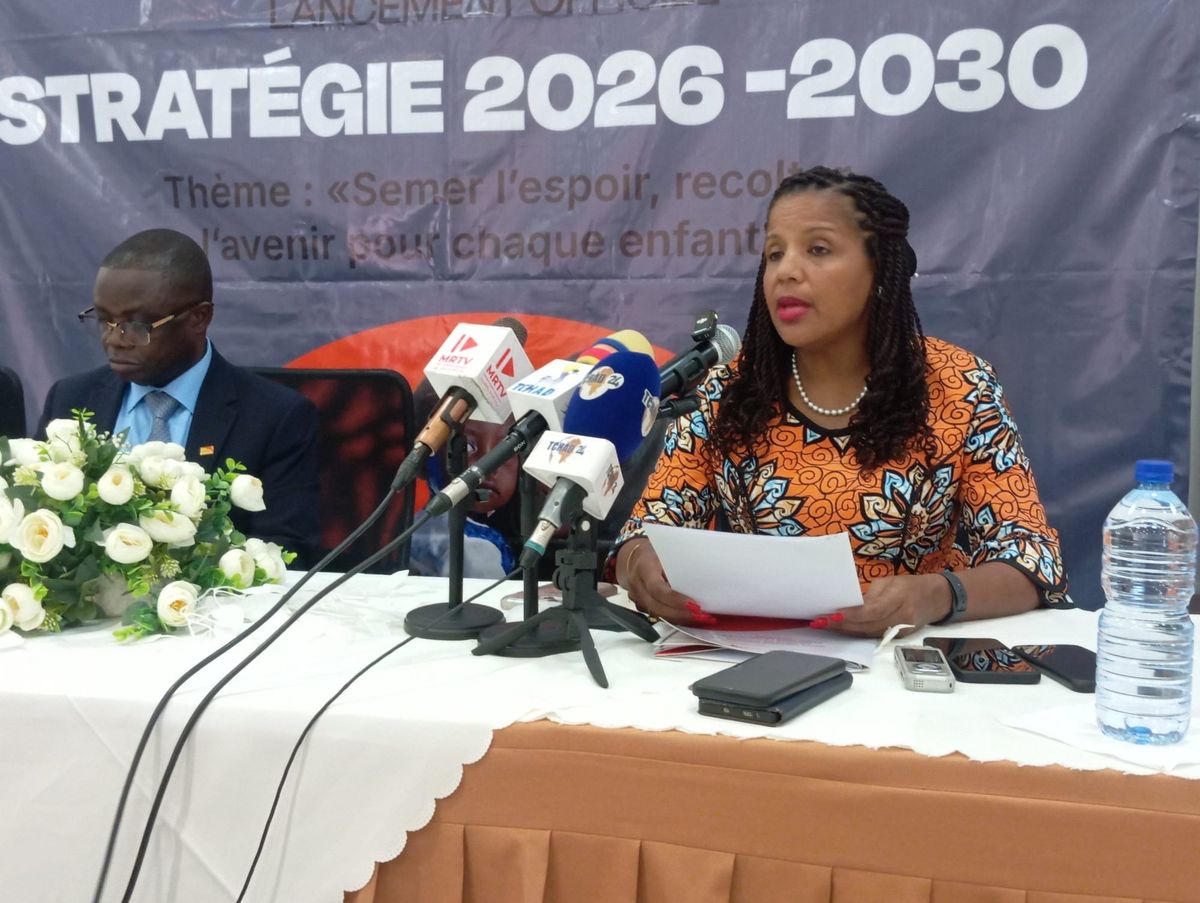
The launch event, held at N’Djamena’s prestigious Résidence Hotel, brought together media representatives, technical and financial partners, and national authorities to witness the unveiling of this transformative roadmap. World Vision’s Regional Director for West Africa, Carla Dominique Denizard, emphasized the strategy’s innovative nature, describing it as “bold and visionary.” She highlighted the organization’s adoption of the Humanitarian-Development-Peace Nexus approach, which seamlessly integrates emergency relief with sustainable development initiatives and peace consolidation efforts.
“Children in Chad deserve abundant lives,” Denizard stated, “and this vision becomes reality through robust partnerships, community mobilization, and respect for cultural and spiritual values.” She further explained that World Vision’s West and Central Africa vision aims to ensure children survive and thrive in the most fragile contexts, addressing challenges like insecurity, multidimensional poverty, climate change impacts, and mass displacement.
Strategic Alignment with Continental and Global Development Goals
The 2026-2030 strategy aligns with Chad’s Vision 2030 and several international frameworks, including the African Union’s Agenda 2063 and multiple Sustainable Development Goals (SDGs 1, 2, 3, 4, 5, 6, 13, and 16). Key priorities include human capital development, social protection, climate adaptation, enhanced literacy through the Unlock Literacy program, and comprehensive child protection measures.
Édouard Ngoy Wangoy, National Director of World Vision Tchad, called the launch a “historic moment” for both the organization and Chad’s children. He noted that the strategy represents a 20% increase in ambition compared to previous cycles, with a clear goal: ensuring every child in Chad not only survives but thrives by 2030. “Our mission is simple yet profound,” Wangoy declared. “We aim to reach 3.29 million children, including 3.09 million of the most vulnerable, through integrated, community-driven solutions.”
Critical Challenges Demand Comprehensive Solutions
Wangoy outlined the pressing challenges facing Chad, including persistent poverty affecting nearly 42% of the population, recurrent humanitarian crises, malnutrition, and climate change impacts. The new strategy addresses these issues through targeted interventions:
- Nutrition & Health: Integrated programs focusing on maternal and child health
- Education: Expansion of the Unlock Literacy initiative to strengthen early reading skills
- Child Protection: Comprehensive measures to safeguard children from violence and exploitation
- Climate Resilience: Community-based adaptation strategies to mitigate environmental challenges
Call for Unified Action to Transform Lives
Following the strategy presentation, World Vision Tchad leaders issued a powerful call to action, urging public authorities, technical and financial partners, civil society organizations, religious and community leaders, and media representatives to collaborate closely. The organization stressed that collective mobilization is essential to convert current challenges into sustainable opportunities for Chad’s children.
Through this ambitious 2026-2030 strategy, World Vision Tchad commits to playing a pivotal role in achieving the country’s Vision 2030 and advancing the Sustainable Development Goals. The ultimate vision? A nation where every child is protected, nourished, educated, and empowered to reach their full potential.