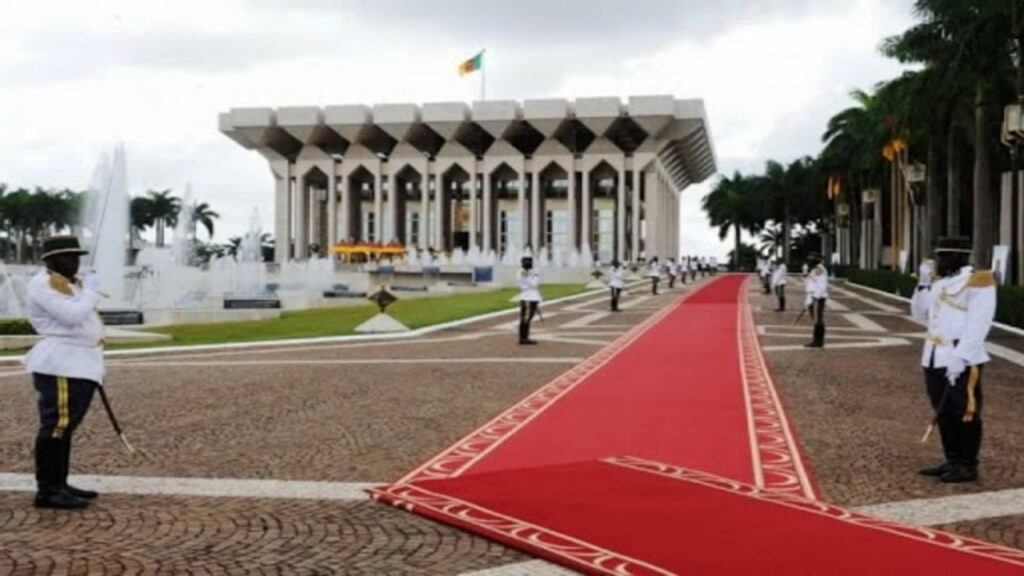
Political party proposes constitutional safeguards for presidential absences in Cameroon
The Cameroon Democratic Union (UDC) has raised concerns over the prolonged absence of President Paul Biya from the Palais de l’Unité, now surpassing 40 days since his departure for a private trip to Europe. Official statements from the Civil Cabinet provided minimal details beyond confirming his travel to Switzerland, leaving citizens to speculate about the reasons behind his extended stay.
Local observers and opposition figures, including UDC President Patricia Tomaino Ndam Njoya, have criticized the lack of transparency surrounding the situation. The absence of clear communication from state institutions has fueled debates about the continuity of governance and the need for structured mechanisms to manage presidential absences.
The UDC has outlined several recommendations to address these concerns. First, it calls for the establishment of precise rules and deadlines to govern prolonged presidential absences, ensuring that such periods do not disrupt the functioning of the state. Second, it urges regular updates to the nation and Parliament, guaranteeing that citizens remain informed about the president’s status and the continuity of public action. Third, the party proposes the publication of explicit delegations of presidential functions when necessary, along with an impartial process to determine temporary or permanent incapacity.
The political landscape in Cameroon has already shown signs of strain due to the president’s absence. In late July, as legislative and municipal elections approach, tensions are rising within political formations, including the ruling party. The RDPC’s Central Committee has scheduled a statutory meeting for July 21, 2026, though the party’s leader remains away from the country. Additionally, unverified presidential decrees circulating on national media have raised fears of potential institutional crises, further underscoring the need for transparency.
The UDC emphasizes that the current situation highlights broader constitutional gaps, particularly the lack of a vice president—a position mandated by the April 14, 2026 constitutional revision. Without clear provisions for such scenarios, the party warns of the risks of institutional paralysis at the highest levels of government.