
Congo’s political dialogue push gains momentum amid security crisis
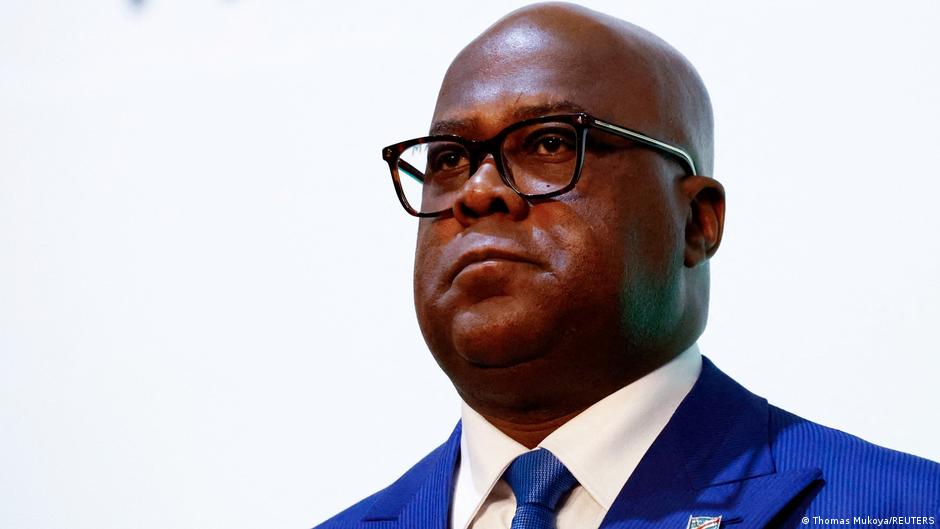
President Félix Tshisekedi of the Democratic Republic of the Congo (DRC) declared on July 17, 2026, his backing for an upcoming inclusive, peaceful, and republican national dialogue. The announcement followed a meeting with the country’s leading religious leaders. Key discussion points include:
-
ongoing insecurity in the eastern DRC;
-
escalating political tensions;
-
governance challenges;
-
economic and social hardships;
-
essential reforms to strengthen peace and democracy.
Key details remain outstanding, including:
-
the exact date of the dialogue;
-
its participants;
-
the agenda;
-
organizational arrangements, expected to be outlined in a presidential decree.
Why this dialogue now?
-
to bolster national unity;
-
to address the persistent security crisis in eastern DRC;
-
to foster a more stable political climate;
-
to bring together diverse stakeholders in a constitutional framework.
The move marks a significant shift in the government’s stance. For over a year, voices across civil society—including churches, parts of the opposition, and activist groups—have been advocating for a national dialogue.
The opposition coalition welcomed the announcement and postponed a planned July 22 Kinshasa protest. However, it has set an August 15 deadline for the President to officially convene the dialogue, warning that otherwise, public mobilizations will resume.
During the discussion on Éric Topona’s program, experts weighed in on the value of this political dialogue initiative in the DRC:
- Bob Kabamba, Political Science Professor at the University of Liège, Belgium;
- Martin Ziguélé, former Central African Prime Minister and leader of the Central African People’s Liberation Movement (MLPC);
- Trésor Kibangula, Head of the Political Pillar at Ebuteli, a Kinshasa- and Goma-based Congolese research institute focusing on politics, governance, and violence.
To listen to the full debate, click on the image above.
More Stories
DRC’s political dialogue: a path to national unity amid crisis
Chad’s crackdown: how to push back against state repression
Absence de Paul Biya : Le Cameroun est en “pilotage automatique”