The regime’s final betrayal: mercenaries replace national sovereignty
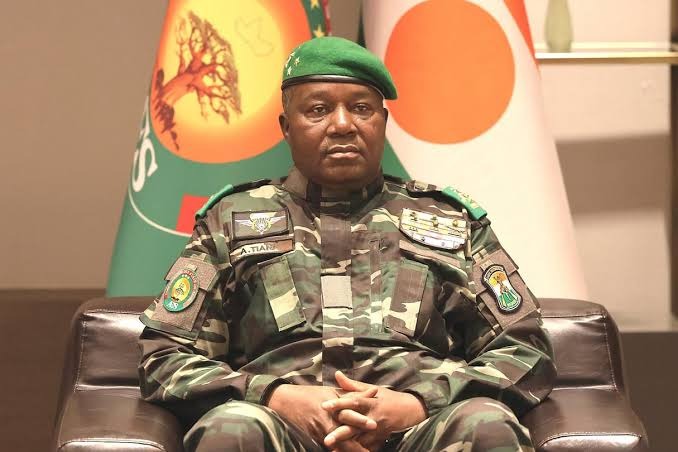
What was meant to be a triumph of Niger’s self-proclaimed sovereignty has instead revealed the depths of political cynicism. The National Council for the Safeguarding of the Homeland (CNSP), led by General Abdourahamane Tiani, has long touted a narrative of restored dignity and independence. Yet the violent clashes in Niamey on the night of August 28–29 exposed a stark contradiction: to suppress a rebellion within its own ranks, the regime openly relied on foreign paramilitary forces to target and eliminate Nigerien soldiers.
This act transcends mere strategic miscalculation. In any functioning state, turning foreign mercenaries against one’s own military is not just a failure of leadership—it is an unforgivable act of treason against the nation itself.
From revolutionary rhetoric to foreign subjugation
Since July 2023, the military leadership has framed its mission as a crusade for national sovereignty—rejecting foreign interference and reclaiming control for Nigerien forces. The events of that August night shattered this illusion entirely. By summoning external fighters to crush dissent within Niger’s own capital, the regime has done far more than undermine its credibility; it has exposed its true nature as a puppet of foreign interests.
Consider the irony: a government that once railed against external control now depends entirely on foreign armed groups to maintain its grip on power. The consequences are profound:
- Sovereignty redefined as subjugation: True sovereignty is not achieved by swapping one foreign patron for another. When a leader must rely on outside mercenaries to protect his rule from his own people, his authority ceases to be national—it becomes an extension of foreign domination.
- The militarization of dependence: The regime has traded its military independence for a security arrangement dictated by foreign powers. For the rank-and-file soldiers watching as foreign fighters dictate the terms of engagement in Niamey, the message is clear: their loyalty is secondary to the regime’s survival.
When the army becomes the enemy
The decision to deploy foreign forces against Nigerien soldiers marks a turning point in the country’s crisis. The CNSP’s origins lie in the barracks, yet it now views its own troops as threats. This paranoia stems from a regime that has lost the trust of its military—exhausted by years of unfulfilled transition promises and a deteriorating security landscape. The result? A leadership so desperate for survival that it has turned its weapons inward.
The implications are devastating:
- A fracture in the national army: Bloodshed orchestrated by foreign hands on Nigerien soil erodes the very foundation of military unity. Soldiers who once stood together now face an existential crisis, torn between loyalty to their country and obedience to a regime that has betrayed them.
- The collapse of military legitimacy: The CNSP’s narrative of national redemption rings hollow. No longer is it fighting terrorism at the borders—it is waging war against its own army in the heart of the capital.
The irreversible verdict of history
General Tiani’s alliance with foreign mercenaries has not only doomed his regime; it has sealed his place in history as a leader who sacrificed his nation’s honor for his own survival. The myth of the “patriotic general” lies in ruins, buried under the gunfire of Niamey.
For regimes that mortgage their country’s sovereignty to foreign powers, the lesson is clear: power bought with betrayal is power already lost. The Nigerien people—and the soldiers who bleed for this land—will remember who turned their own blood against them.