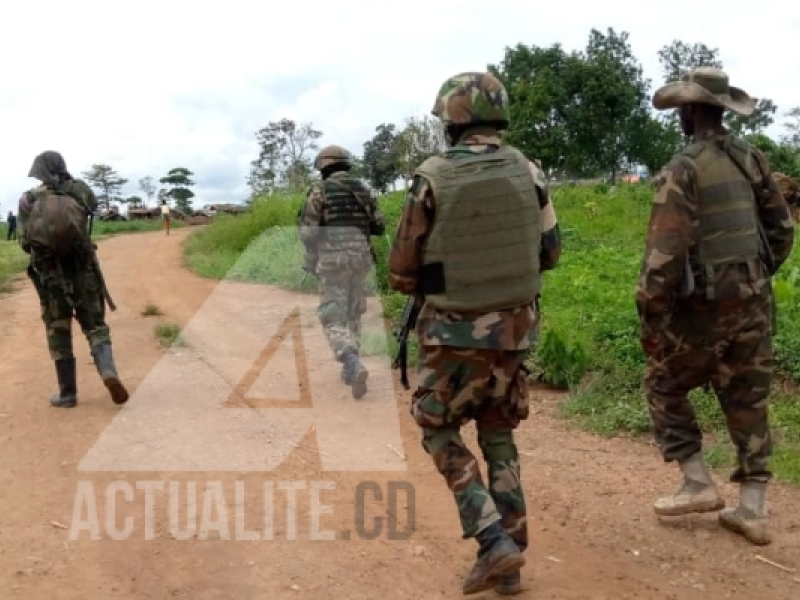
DR Congo military cracks down on unauthorized smartphone use at front lines
The Armed Forces of the Democratic Republic of the Congo (FARDC) have issued a fresh warning against unauthorized smartphone use by soldiers deployed in active combat zones. The new directive emphasizes the severe security risks posed by mobile devices in conflict areas, particularly their potential to expose troops to enemy targeting.
Smartphones as security liabilities in war zones
In an official communication released on July 9, 2026, acting FARDC spokesman Lieutenant-Colonel Mak Hazukay outlined the dangers of mobile phone misuse during military operations. “An active smartphone can betray troop positions, reveal movements, and compromise entire units,” he stated.
Strict new guidelines for frontline personnel
The military command has prohibited soldiers from:
- Using personal smartphones in conflict zones without authorization
- Sharing real-time location data or operational details
- Posting combat footage or sensitive military information on social media
- Communicating operational movements through unsecured channels
Troops are now required to:
- Immediately report any suspicious smartphone activity
- Verify all communications against established security protocols
- Maintain strict operational secrecy
Context: Rising tensions in eastern DRC
This directive comes as FARDC units face renewed pressure from the M23 rebel movement in South Kivu’s highlands, particularly around Fizi and Mwenga territories. Recent weeks have seen increased rebel activity and corresponding military responses.
The current restrictions represent the latest in a series of similar warnings issued since fighting shifted from the Goma region. Previous violations had led to compromised operations and exposed troop movements to enemy forces.
Military emphasizes collective responsibility
In his statement, Lieutenant-Colonel Hazukay stressed that “a single misused device can endanger an entire battalion.” The FARDC has called for heightened vigilance, urging soldiers to prioritize mission success over personal communications.
The military leadership has also reminded personnel that disciplinary measures will be enforced against any violations of these communication protocols.