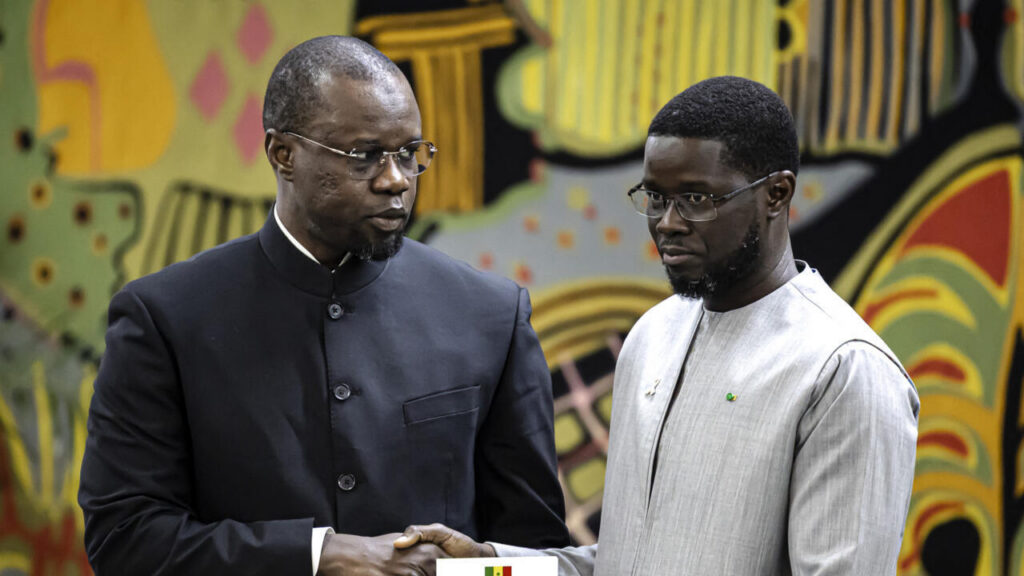
Senegal’s political landscape and global tensions take center stage
The air over Dakar is thick with anticipation as Senegal navigates a pivotal phase in its political journey. With the establishment of a new presidential party and the constitutional reform bill struck down by the Constitutional Council—despite initial approval from the majority parliamentary bloc led by Ousmane Sonko—President Bassirou Diomaye Faye is positioning himself to reshape the trajectory of his administration. The question on everyone’s lips: can this bold strategy win over opposition forces and sway public opinion?
Meanwhile, the world watches as the Middle East simmers in fresh turmoil. A recent surge in retaliatory strikes has left analysts scrambling to gauge the intentions of Washington’s latest stance. In a blunt assessment, the White House declared the ceasefire “over,” branding ongoing dialogue with Tehran a “waste of time.” With military posturing escalating, the question lingers: is the region hurtling toward a new phase of open conflict?
Key discussions shaping Africa’s voice
Each week, a panel of leading African journalists and commentators dissects the continent’s most pressing stories—both at home and abroad. This time, they turn their focus to Senegal’s evolving political chessboard and the widening rift in the Middle East. The roundtable features:
- Wuldath Mama, Beninese journalist renowned for her deep-dive coverage of international relations
- Eric Topona, Tchadian journalist contributing to Deutsche Welle’s Francophone Africa desk
- François Hiondi Nkam, veteran reporter and Economics Editor at Cameroon’s *Le Jour*
Looking ahead: Senegal’s next moves
As President Faye steers through uncharted waters, the stakes could not be higher. The creation of a presidential party signals a bid to consolidate power, while the constitutional reform’s collapse raises doubts about legislative cohesion. Can Faye’s administration bridge divides and restore confidence, or will the opposition dig in its heels?
Global flashpoints: the Middle East’s uncertain future
The implications of Washington’s hardline stance reverberate far beyond the Gulf. With diplomatic channels seemingly frozen, the specter of military escalation looms large. How will regional players respond, and what could this mean for global stability?
These questions—and more—take center stage in this week’s edition of Le débat africain.