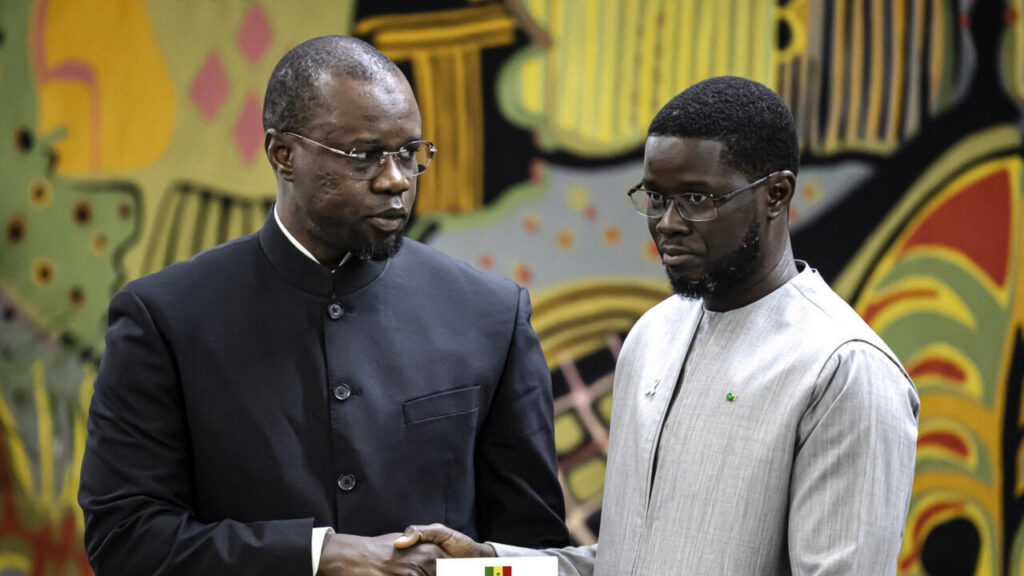
Senegal’s evolving political landscape and Middle East tensions
The latest episode explores Senegal’s political transformation amid constitutional reforms and the looming threat of Middle East escalation. Will President Bassirou Diomaye Faye’s strategic moves unite the nation or deepen divisions?
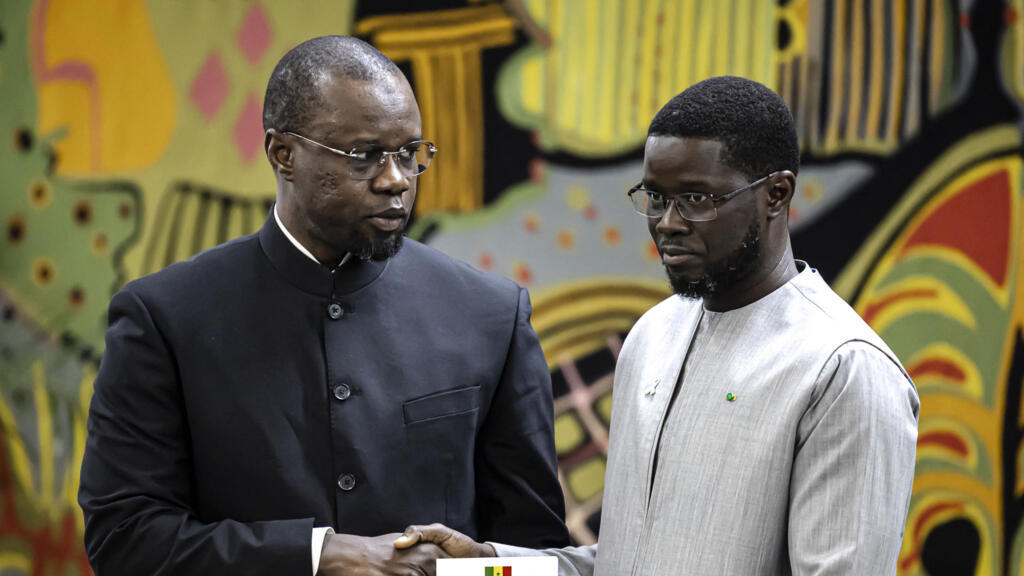
Senegal’s political arena has entered a pivotal phase. The establishment of a new presidential party, coupled with the Constitutional Council’s rejection of a parliamentary reform proposed by Ousmane Sonko’s Pastef party, marks a significant turning point for President Bassirou Diomaye Faye’s administration. The question now is whether these strategic decisions will bridge divides within the opposition or further polarize public opinion.
Meanwhile, global tensions are escalating. In the Middle East, the fragile ceasefire between Iran and its adversaries appears to have collapsed after recent retaliatory strikes. U.S. President Donald Trump’s dismissal of negotiations with Tehran as a “waste of time” signals a potential military response, raising concerns about a broader regional conflict.
This week’s discussion features a panel of African journalists dissecting both domestic and international developments:
- Wuldath Mama, Beninese journalist specializing in international affairs
- Eric Topona, Chadian journalist with Deutsche Welle’s Francophone Africa team
- François Hiondi Nkam, veteran reporter and Economics Editor at Cameroon’s Le Jour newspaper