Army and allied militias accused in deadly raids on two villages
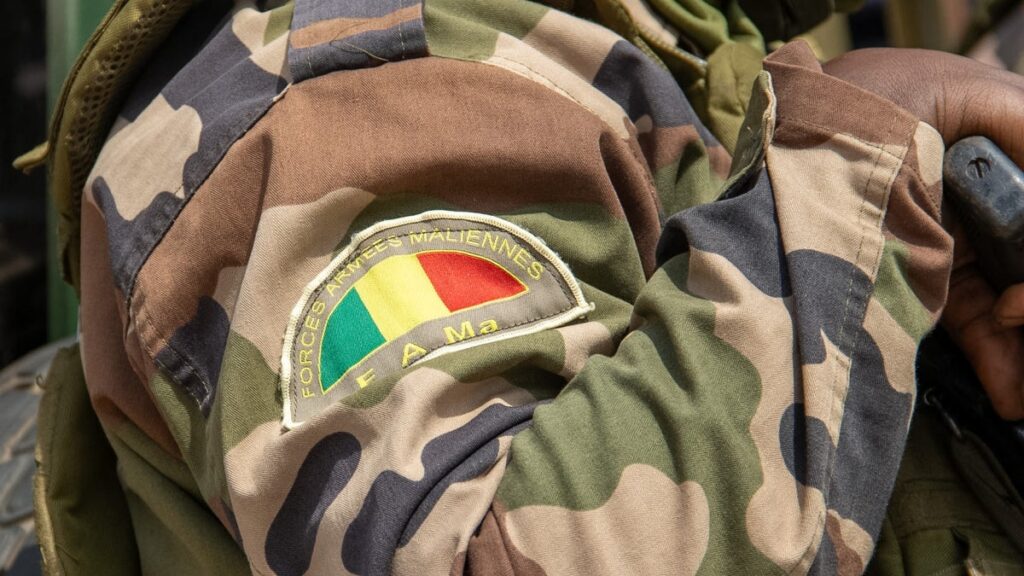
An investigation has revealed that Malian armed forces, alongside allied militia groups, carried out coordinated attacks on two villages in the Ségou region on October 2 and 13, resulting in the deaths of at least 31 civilians and the destruction of homes. Survivors and local leaders described the incidents as deliberate massacres targeting unarmed villagers.
October 2 attack in Kamona village
On October 2, military personnel in at least seven pickup trucks and three armored vehicles, accompanied by Dozo militiamen on motorcycles, entered the village of Kamona. Witnesses reported that the attackers, dressed in camouflage uniforms and traditional Dozo attire, forcibly gathered male residents before executing them. At least 21 men were killed, and 10 homes were set ablaze. Survivors recounted that villagers who could not flee were systematically shot, with some bodies later found beneath a large tree in the village center.
A local shepherd, who hid with his 9-year-old daughter, described the scene: “The bodies were riddled with bullets, some with shattered skulls. Spent cartridges littered the ground.” He added that residents were forced to bury 17 victims in a mass grave under the tree, while four additional bodies were discovered north of the village. Residents provided a list of 21 victims, all men aged 20 to 65, though some villagers claimed up to 36 men may have been killed that day.
October 13 attack in Balle village
Ten days later, a similar operation unfolded in Balle, located approximately 55 kilometers from Kamona. Military forces arrived in five pickup trucks, accompanied by at least 30 Dozo militiamen on motorcycles. Eyewitnesses reported that soldiers conducted door-to-door searches, assaulting men and stealing livestock. A total of 10 civilians, including nine men and one woman, were killed. The attackers also seized over 100 cattle before retreating.
A 33-year-old resident recounted discovering the bodies: “They lay side by side, riddled with bullets. Some had broken limbs.” The victim’s daughter, aged 21, described her mother’s final moments: “She confronted the soldiers, accusing them of abuse, before being taken away and shot.”
Context and accountability
Both villages lie within a region under the control of the Group for the Support of Islam and Muslims (JNIM), an Al-Qaeda-affiliated group. Witnesses stated that JNIM fighters had warned villagers of the impending military operation, prompting many to flee. No clashes between the army and armed groups were reported during either attack.
Military officials have denied accusations of civilian targeting, claiming their operations resulted in the “neutralization of around twenty terrorists” and the seizure of military equipment. However, residents disputed these claims, asserting that Balle had been under JNIM control for years. “We pay zakat to them annually,” one villager explained. “They settle disputes, not the state. The army assumes everyone here is a fighter.”
Since 2012, Mali has grappled with armed Islamist groups, leading to thousands of civilian deaths and displacing over 400,000 people. Human rights organizations have documented widespread abuses by both state forces and armed groups, including executions, torture, and destruction of property.
International humanitarian law prohibits attacks on civilians, summary executions, and cruel treatment. Those responsible for war crimes may face prosecution under the Rome Statute, to which Mali remains bound until September 2026, despite its withdrawal from the International Criminal Court.
Human rights advocates have called for urgent action, urging regional bodies like the African Union to prioritize accountability and coordinated diplomatic efforts to address the crisis.