France rolls out red carpet for Gabon’s president in historic Paris visit
Libreville, july 21, 2026 — when a nation grants its highest diplomatic honors to a foreign leader, the gesture speaks volumes before any formal agreement is signed.
By welcoming Gabon’s president Brice Clotaire Oligui Nguema with full state honors, France did more than celebrate bilateral relations — it marked the beginning of a new chapter in Paris-Libreville ties, set against a shifting diplomatic landscape across Africa.
This state visit, the first undertaken by Oligui Nguema since assuming office and the first accorded to a Gabonese leader since Omar Bongo Ondimba’s historic trip in 1984, carries deep historical weight. Through this extraordinary protocol, both capitals signal their intent to rebuild cooperation based on shared interests, mutual respect for sovereignty, and a renewed vision of the Franco-Gabonese partnership.
the power of protocol
On july 20, 2026, the rhythm of republican tradition guided the day’s events. At Les Invalides, a hallowed military site, President Oligui Nguema received full military honors and reviewed the troops — a rare distinction reserved exclusively for heads of state on state visits.
The presidential procession then made its way through Paris under the escort of twenty-five motorcyclists and one hundred twenty-eight cavalrymen from the Republican Guard. Such a ceremonial display, seldom mobilized, stands among the highest diplomatic tributes France can bestow upon a foreign dignitary.
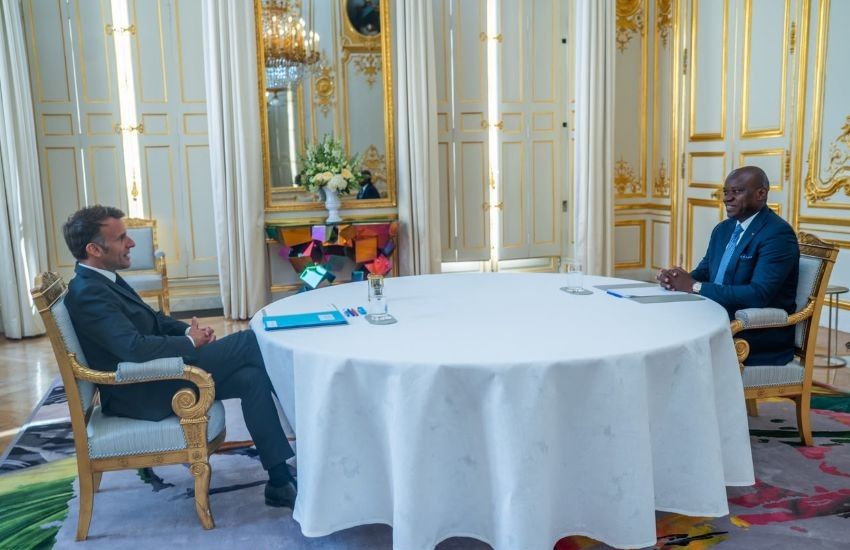
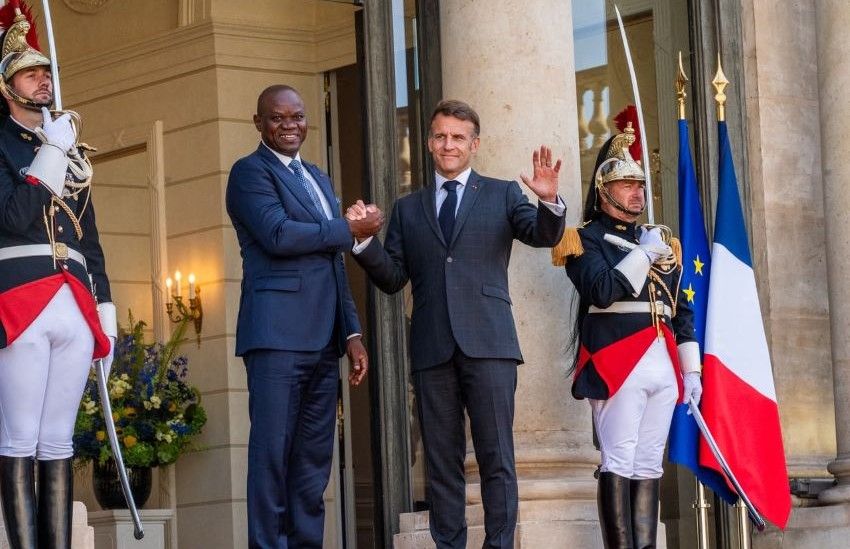
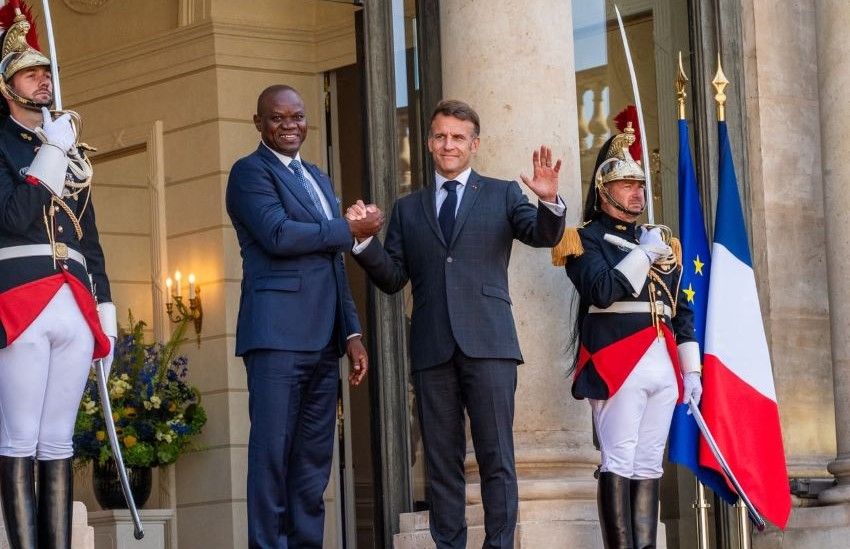
Upon arrival at the Élysée Palace, President Oligui Nguema was greeted by Emmanuel Macron. The two leaders exchanged warm handshakes before embarking on hours of talks focused on strengthening strategic ties between their nations.
While the ceremony’s grandeur commands attention, its true significance lies in the diplomatic message it conveys. In international relations, symbolism often paves the way for policy. By extending such a reception, France affirms Gabon’s growing importance in its African strategy.
a partnership entering a new era
For years, cooperation between Gabon and France has gradually shifted from historical ties toward mutually beneficial investments, industrialization, infrastructure, security, and energy transition.
This visit arrives at a pivotal moment as both governments seek to ground their relationship in co-development principles. Discussions at the Élysée addressed key files set to reshape their partnership, including economic sovereignty, local resource processing, infrastructure modernization, and sustainable improvements in living standards.
For Gabon, this diplomatic moment aligns with a broader strategy to enhance economic sovereignty, develop domestic processing of natural resources, modernize infrastructure, and improve quality of life nationwide. For France, it reflects a commitment to building a new generation of African partnerships rooted in productive investment, skills transfer, and reciprocal gains.
a signal across africa
The significance of this visit extends far beyond Paris and Libreville. In an era of intensifying global competition for influence in Africa, every diplomatic gesture is closely watched.
The treatment accorded to President Oligui Nguema underscores Gabon’s rising profile as a stable partner in central Africa and an active participant in a new wave of development across the continent.
Beyond the dazzle of uniforms, horses, and Élysée grandeur, this visit carries a clear message: in diplomacy, symbols carry weight. They often herald the political directions of tomorrow.
By reviving the highest levels of French republican protocol, Paris and Libreville have sent a powerful signal. Their relationship has entered a new phase where strategic dialogue, shared economic interests, and concrete outcomes now take precedence over the legacies of the past.